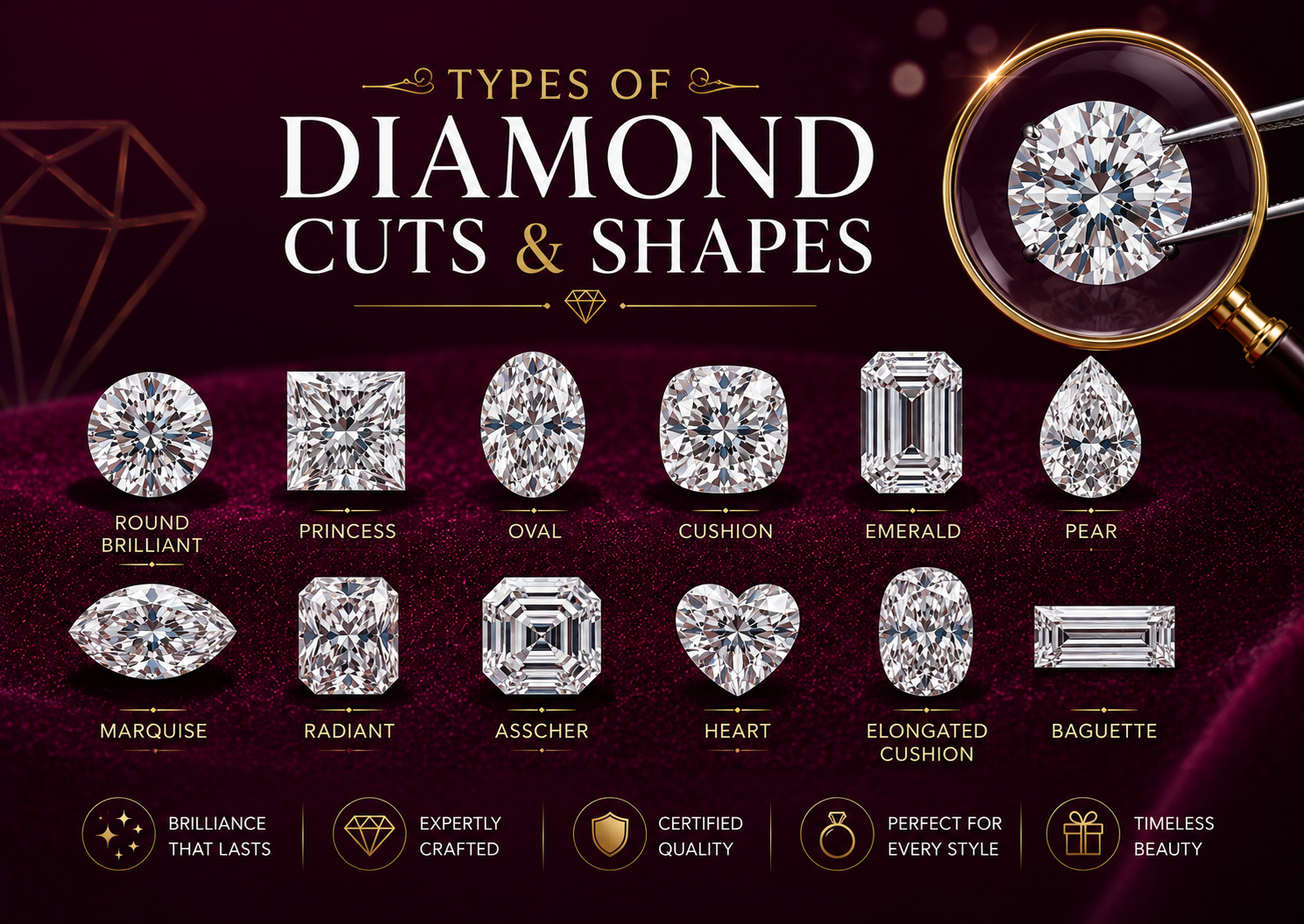
When you start shopping for a diamond, you quickly encounter names such as round, oval, princess, cushion, emerald, radiant, pear, and marquise. Each has a different outline, faceting style, appearance, and personality.
But there is an important distinction to understand first: diamond shape and diamond cut are not technically the same thing.
Shape describes the diamond’s outline when viewed from above, while cut refers to how the diamond’s facets, proportions, symmetry, and finish are designed to interact with light. GIA makes the same distinction in its diamond education materials.
In everyday diamond shopping, however, people commonly use “diamond cut” when they mean shape. This guide uses both terms so you can understand the terminology while still finding the style you’re looking for.
Diamond Cut vs. Diamond Shape: What’s the Difference?
The easiest way to remember it is:
Shape is the silhouette. Cut is the architecture.
A round diamond has a round shape. An oval diamond has an oval shape. A pear diamond has a rounded end and a pointed end.
Cut describes the way the diamond has been crafted, including its facet arrangement, proportions, symmetry, and finish. These characteristics influence how the stone reflects and returns light.
There are also different cutting styles.
Brilliant cuts use facets designed to produce strong brightness, fire, and scintillation. Round brilliant, oval, pear, and marquise diamonds can all use brilliant-style faceting.
Step cuts, such as emerald and Asscher, use long, parallel facets that create broad reflections and a distinctive hall-of-mirrors effect.
That means a diamond can have a particular shape and a particular cutting style at the same time.
16 Types of Diamond Cuts & Shapes
Here are 16 diamond shapes and cutting styles worth knowing when shopping for an engagement ring or other diamond jewelry.
1. Round Cut Diamond
The round cut diamond is the classic choice for engagement rings and is especially popular with shoppers who prioritize sparkle.
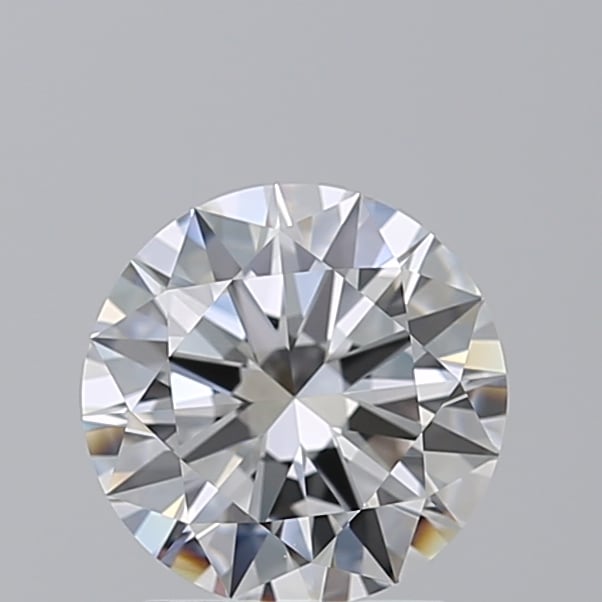
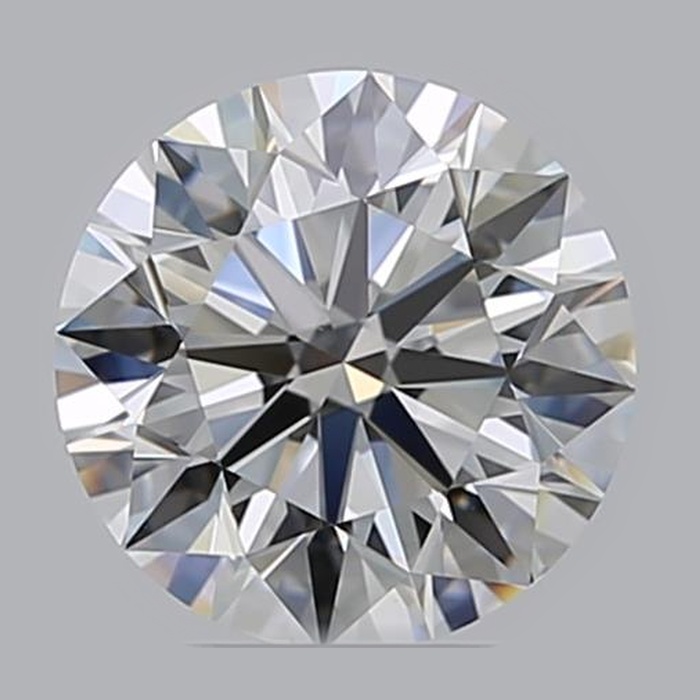
The modern round brilliant is designed to maximize light return through its carefully arranged facets. A standard round brilliant has 57 or 58 facets, depending on whether the culet facet is counted.
It is also unique among standard diamond shapes because GIA provides a dedicated cut grade for round brilliant diamonds.
Best for: Classic engagement rings, maximum brilliance, and timeless style.
What to watch: Cut quality has a major effect on the appearance of a round diamond, so don’t choose based on carat weight alone.
If you are deciding between different styles, compare the round brilliant with other shapes in this guide before making a choice.
2. Princess Cut Diamond
The princess cut diamond has a square or rectangular outline with pointed corners. Its brilliant-style faceting can produce impressive sparkle while giving the stone a clean, geometric appearance.
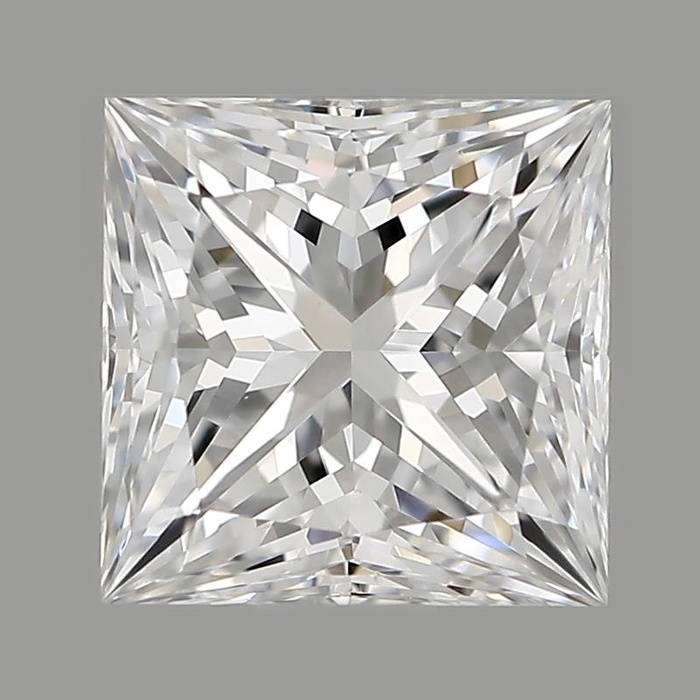
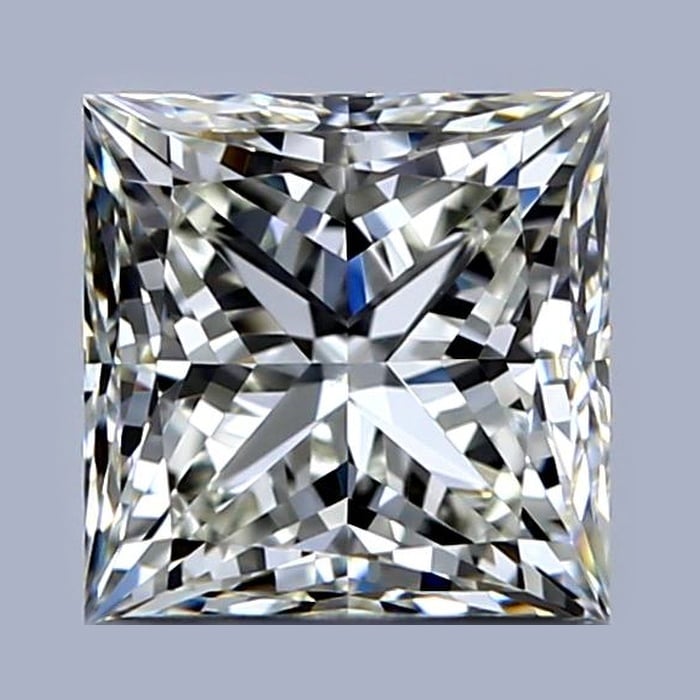
Its sharp corners are one of the main things to consider when choosing a setting. A well-designed setting can help protect these exposed areas.
Best for: Modern, geometric engagement rings.
What to watch: Make sure the setting provides adequate corner protection.
3. Cushion Cut Diamond
The cushion cut diamond combines a square or rectangular outline with rounded corners. The result is softer than a princess cut while retaining a substantial, romantic appearance.
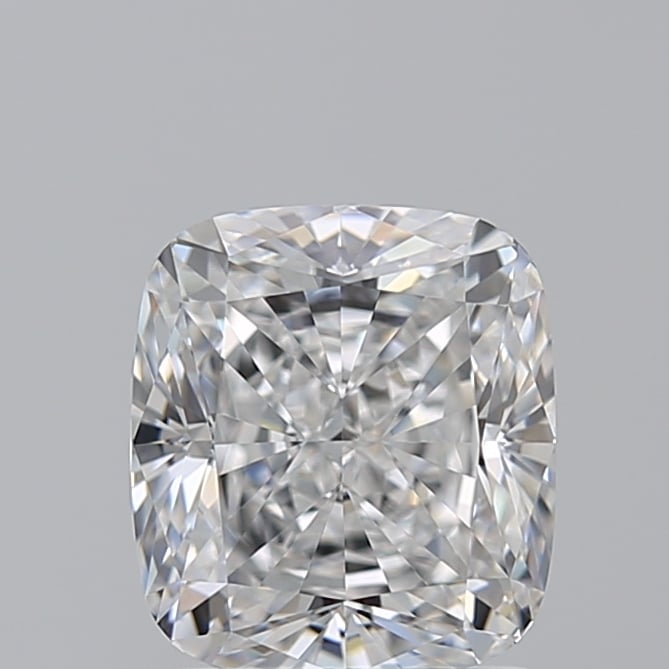
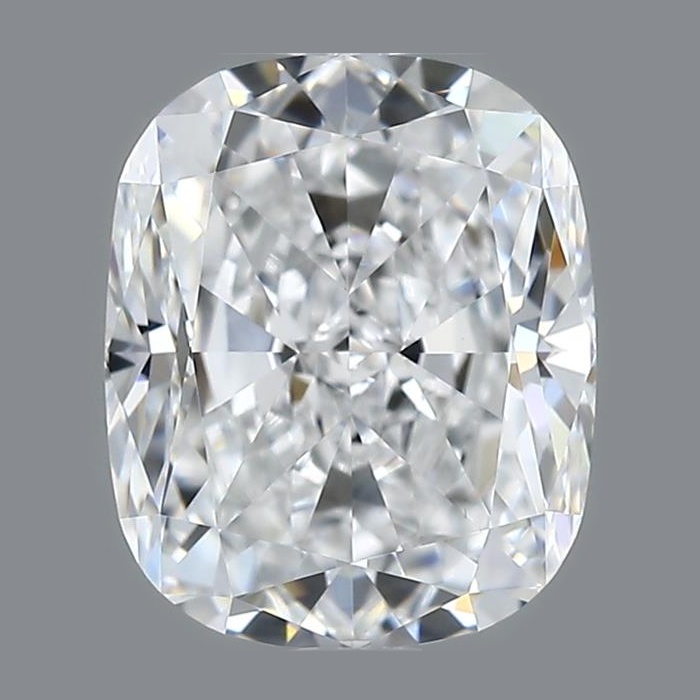
Cushion diamonds can also vary considerably in their facet patterns. Traditional cushion brilliant and modified cushion brilliant diamonds can produce noticeably different visual effects.
The current popularity of cushion diamonds also reflects their versatility between vintage-inspired and contemporary engagement rings.
Best for: Romantic, vintage-inspired, and soft-looking engagement rings.
What to watch: Don’t assume every cushion diamond will have the same sparkle pattern. Compare individual stones carefully.
For a more detailed comparison, see this guide to cushion, princess, and Asscher diamonds
4. Oval Cut Diamond
The oval cut diamond has an elongated outline and generally uses brilliant-style faceting.
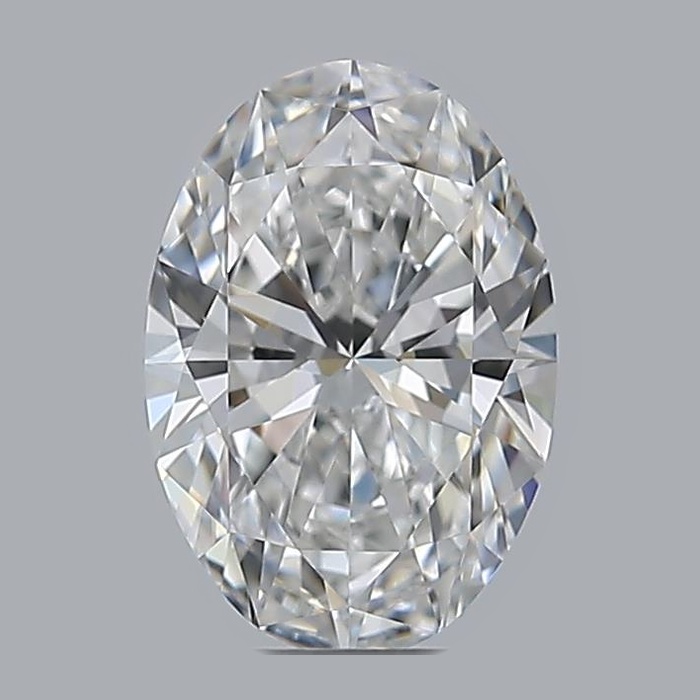
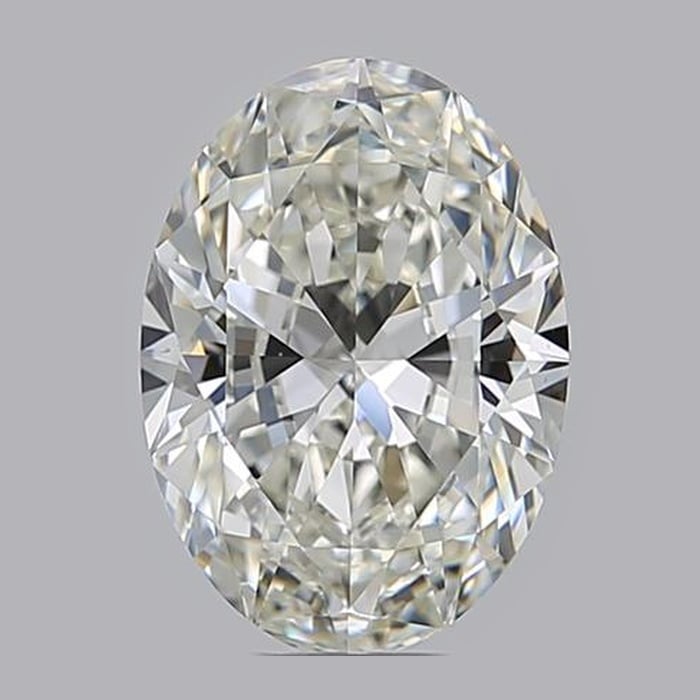
One of its biggest attractions is its combination of brilliance and finger coverage. Because the shape is elongated, an oval can appear larger from above than a round diamond of the same carat weight, although actual appearance depends on its measurements and proportions.
Some oval diamonds also show a bow-tie effect, a darker area across the center. Its intensity varies between stones.
Best for: Elegant engagement rings and shoppers who want an elongated appearance.
What to watch: Examine the diamond closely for an overly pronounced bow tie and pay attention to its length-to-width ratio.
If you’re choosing a shape specifically for finger coverage, compare it with the best diamond shape for long fingers.
5. Emerald Cut Diamond
The emerald cut diamond has a rectangular outline with cropped corners and step-cut facets.
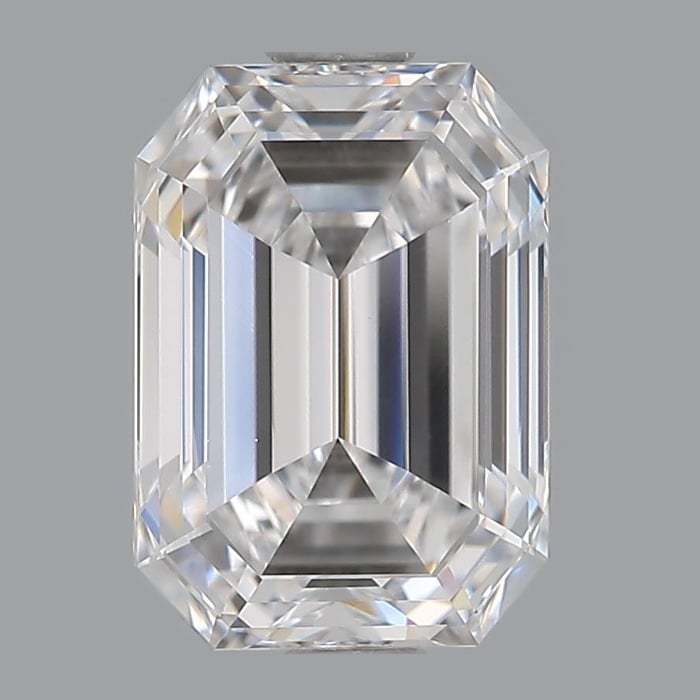
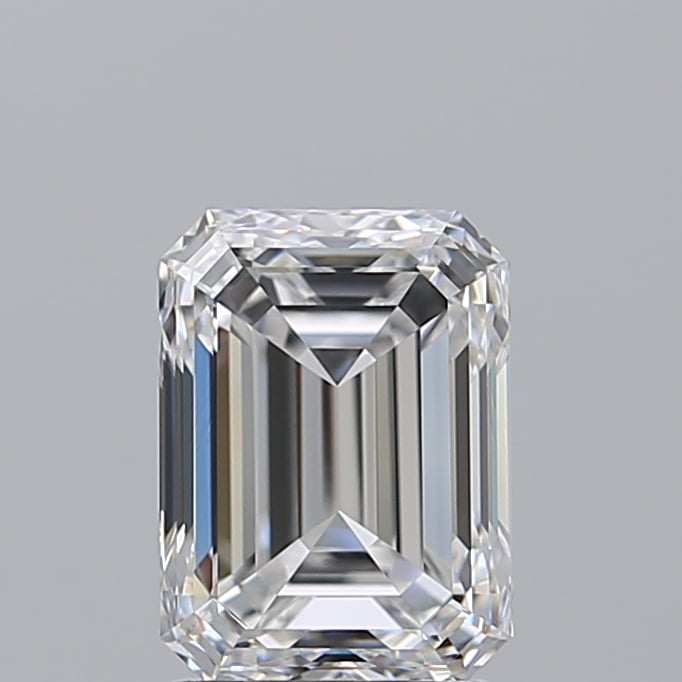
Rather than producing the intense scintillation associated with brilliant cuts, emerald cuts create broad flashes of light and a hall-of-mirrors effect.
Their large, open facets can make inclusions and body color easier to see, so clarity and color deserve additional attention.
Best for: Sophisticated, minimalist, and Art Deco-inspired engagement rings.
What to watch: Look closely at clarity, color, proportions, and the overall visual transparency of the stone.
You can also compare the style directly with a radiant cut vs. emerald cut.
6. Radiant Cut Diamond
The radiant cut diamond combines a square or rectangular outline with brilliant-style faceting.
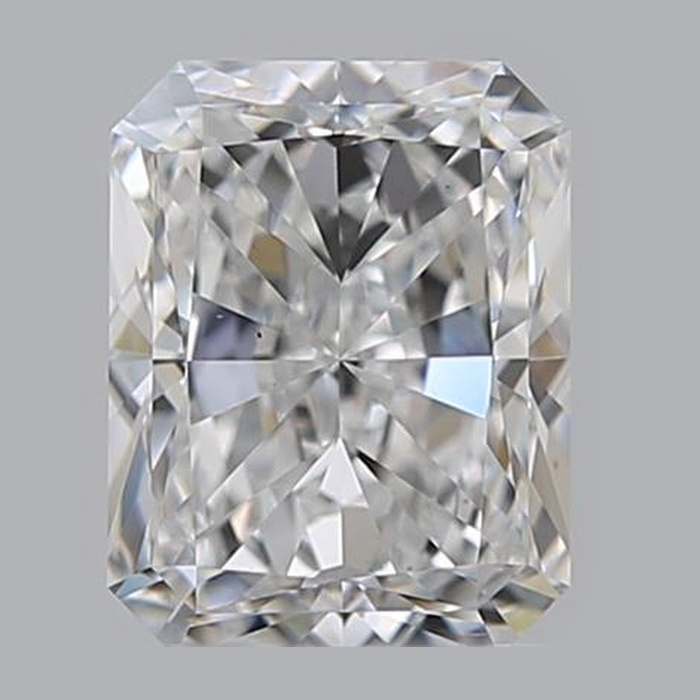
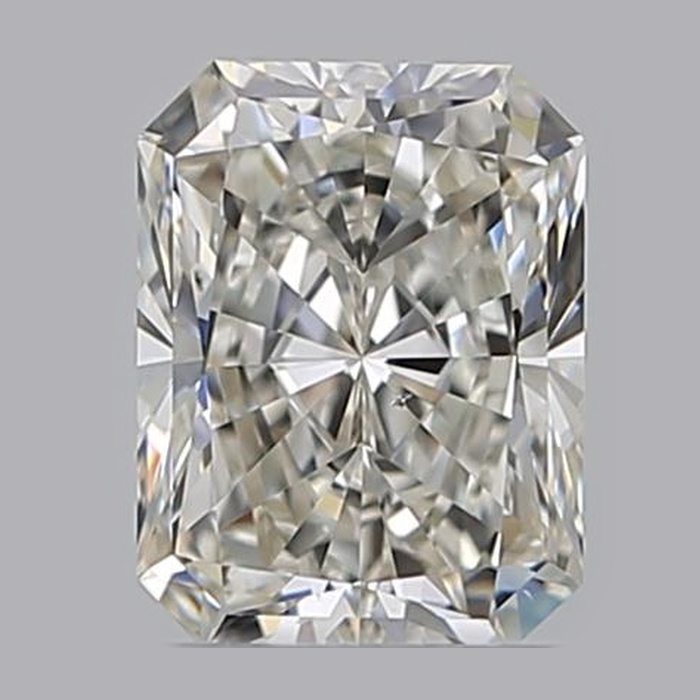
It can offer the geometric appearance of an emerald or princess shape while providing a more lively sparkle pattern.
Radiant diamonds commonly feature cropped corners, giving them a distinctive silhouette and additional visual softness.
Best for: Shoppers who want geometric lines without giving up strong brilliance.
What to watch: Compare both square and elongated radiant proportions because their overall appearance can be quite different.
A radiant can also be compared with emerald diamonds when deciding between brilliance and step-cut reflections.
7. Pear Cut Diamond
The pear cut diamond, sometimes called a teardrop diamond, combines a rounded end with a pointed tip.
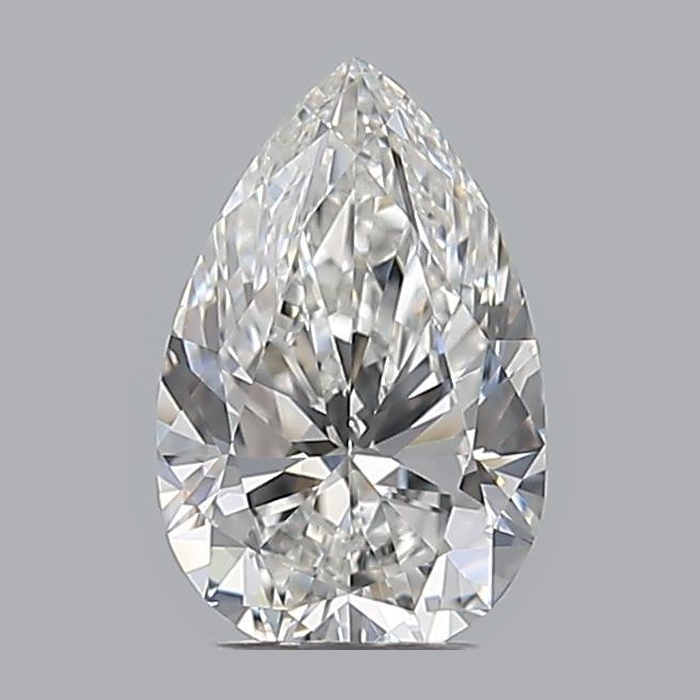
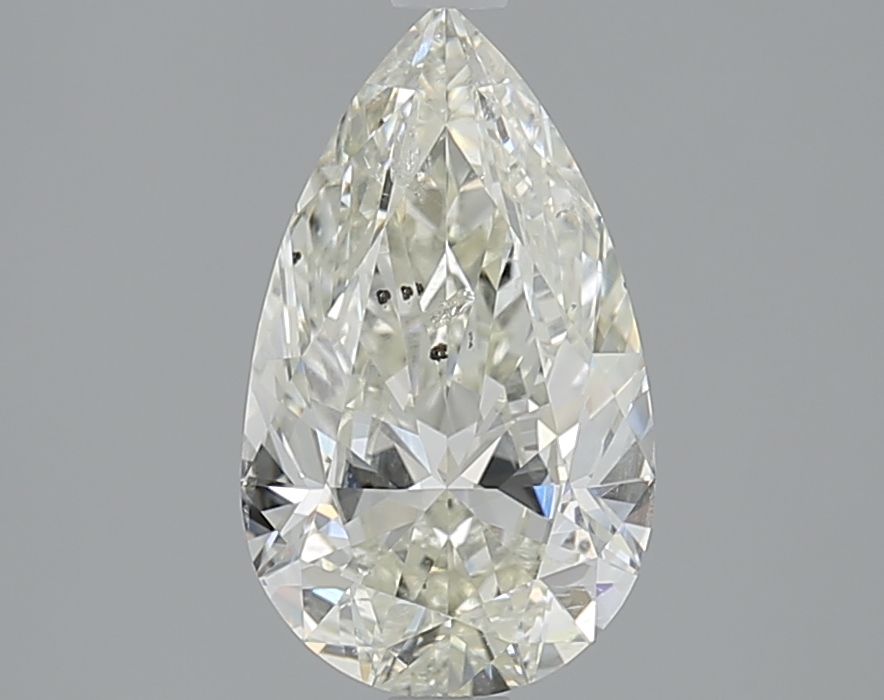
Its asymmetrical silhouette makes it one of the more distinctive engagement-ring shapes. The elongated outline can also create the appearance of greater finger coverage.
Symmetry is especially important. The curves should look balanced and the point should be clearly defined.
Because of its pointed tip, the setting should provide appropriate protection.
Best for: Unique engagement rings, elegant silhouettes, and distinctive personal style.
What to watch: Symmetry, proportions, bow-tie effects, and protection for the pointed tip.
See the detailed pear cut diamond guide for more information
8. Marquise Cut Diamond
The marquise cut diamond has a long, narrow outline with pointed ends.
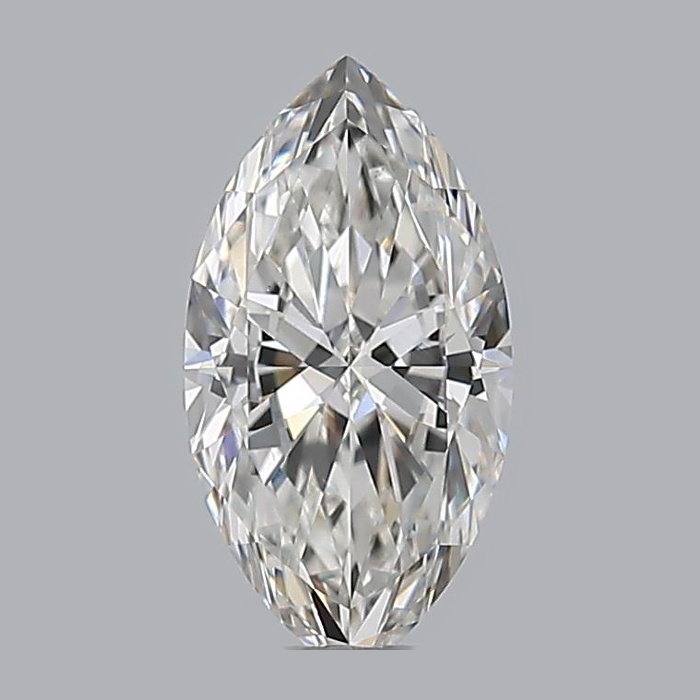
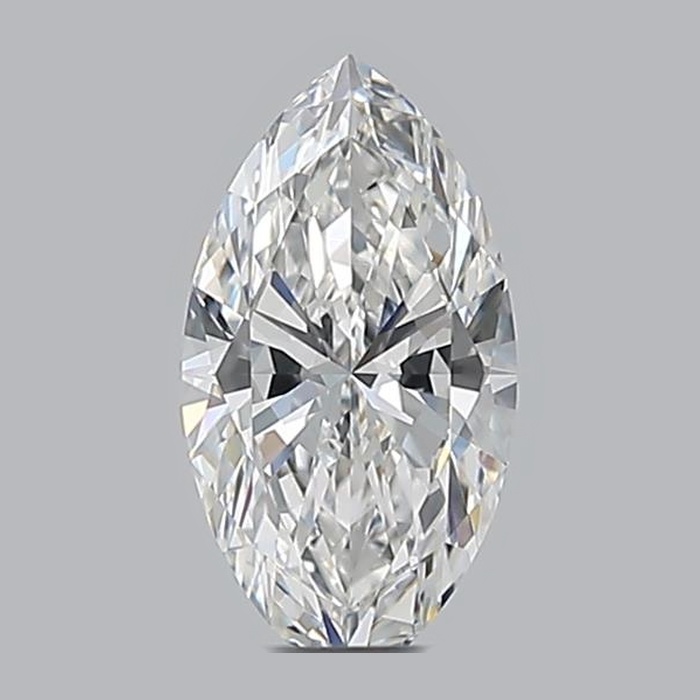
Its elongated shape can provide impressive finger coverage for its carat weight and gives an engagement ring a dramatic appearance.
The pointed ends require careful consideration when choosing a setting. Proportion and symmetry are also important because an uneven marquise can look noticeably unbalanced.
Best for: Dramatic, elongated, and vintage-inspired engagement rings.
What to watch: Symmetry, length-to-width ratio, bow-tie effects, and protection for the pointed ends.
For a deeper look, see the marquise cut diamond guide.
9. Asscher Cut Diamond
The Asscher cut diamond is a square step-cut diamond with cropped corners.
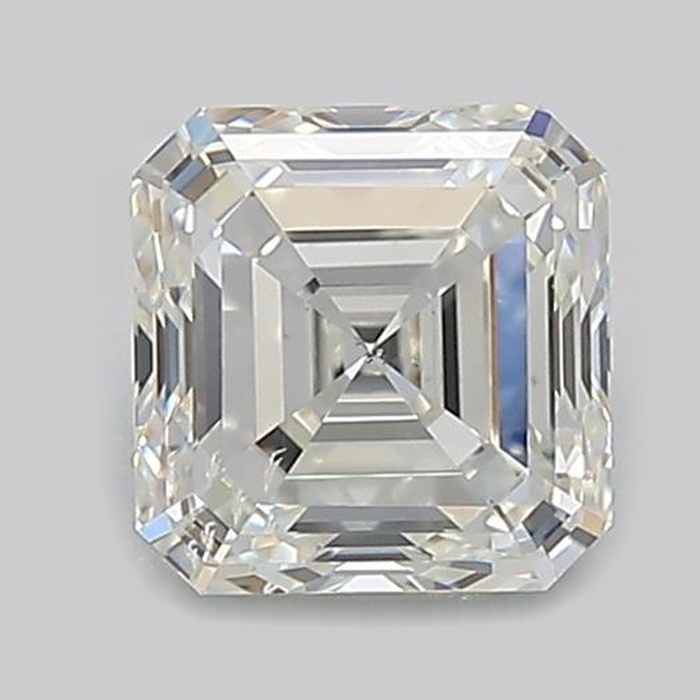
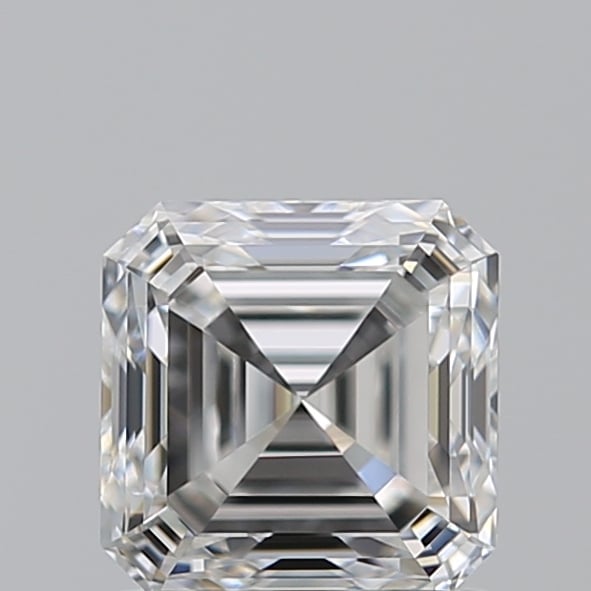
Its concentric facets and strong geometric symmetry give it a distinctive Art Deco character.
Like an emerald cut, the Asscher’s large, open facets can make inclusions easier to notice. Its appeal is therefore less about explosive sparkle and more about crisp geometry, reflections, and symmetry.
Best for: Art Deco-inspired rings and shoppers who prefer architectural designs.
What to watch: Clarity, symmetry, proportions, and the overall pattern created by the step facets.
10. Heart Cut Diamond
The heart cut diamond has two rounded lobes, a central cleft, and a pointed bottom.
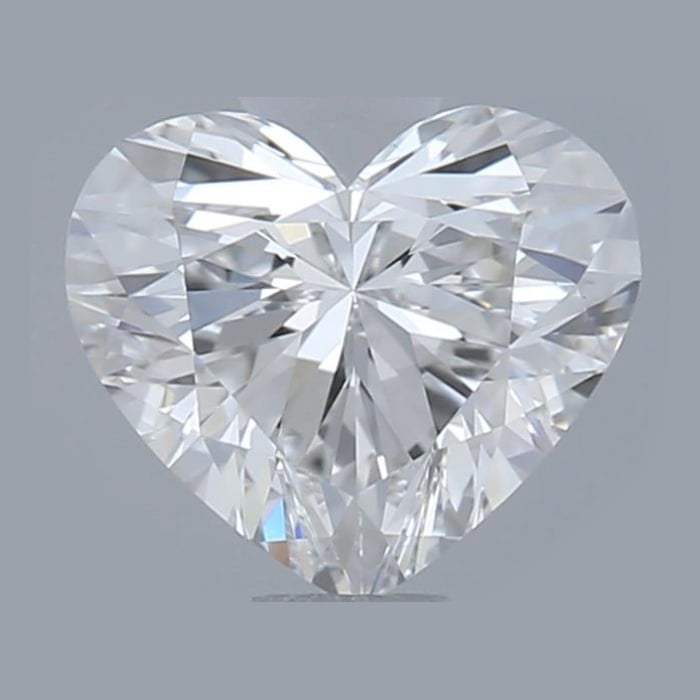
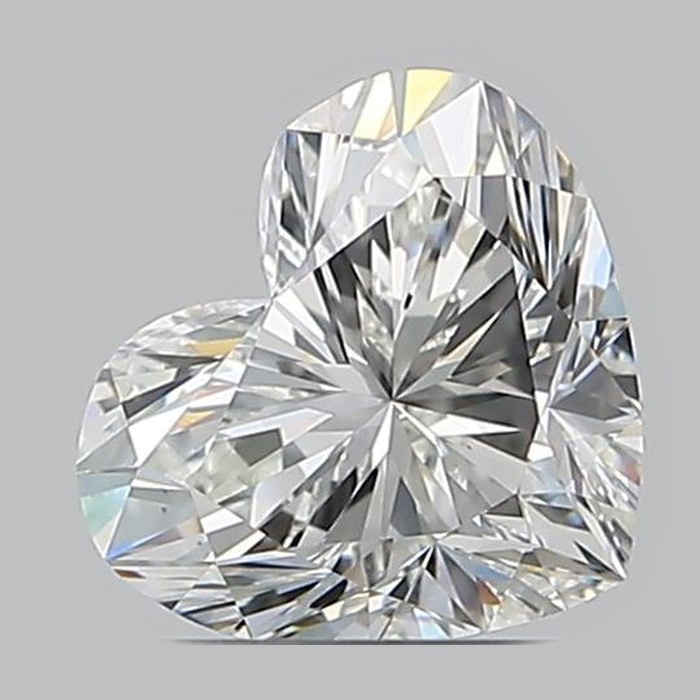
It is one of the most immediately recognizable diamond shapes and has an obvious romantic association.
Symmetry is extremely important. Both sides should appear balanced, and the central cleft should be distinct.
The pointed bottom also benefits from protection within the setting.
Best for: Romantic engagement rings and symbolic jewelry.
What to watch: Symmetry, cleft definition, proportions, and tip protection.
A more detailed overview is available in the heart shaped diamond guide.
11. Baguette Cut Diamond
The baguette cut diamond is a narrow, elongated rectangle with step-cut facets.
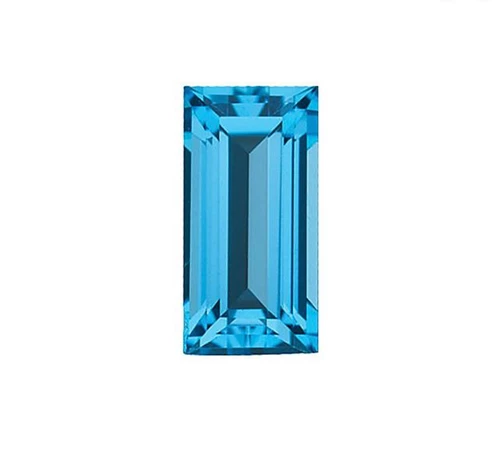

Unlike a brilliant cut, a baguette generally produces a more understated pattern of reflections. Jewelers frequently use baguettes as side stones rather than center stones.
They can add structure and symmetry to three-stone and geometric engagement rings without competing too strongly with the center diamond.
Best for: Side stones, three-stone rings, and Art Deco-inspired designs.
What to watch: Symmetry, clarity, and alignment when used alongside a center stone.
12. Trillion Cut Diamond
The trillion cut diamond has a triangular outline and often uses brilliant-style faceting.


It can make a striking center stone, but it is also frequently used as a side stone beside round, oval, or other center diamonds.
Its pointed corners require thoughtful setting design.
Best for: Contemporary engagement rings and dramatic side-stone arrangements.
What to watch: Corner protection, symmetry, and how the triangular stone interacts with the center diamond.
For a closer look, see the trillion cut diamond guide.
13. Rose Cut Diamond
The rose cut diamond is a historic cutting style with a flat base and domed top covered by triangular facets.


Unlike modern brilliant cuts, it does not have the same deep pavilion designed to return light through the crown. As a result, rose cuts generally create a softer glow rather than intense modern brilliance.
Their low-profile appearance and antique character make them attractive to shoppers who prefer subtle sparkle.
Best for: Vintage-inspired jewelry, low-profile designs, and understated sparkle.
What to watch: Rose cuts are intentionally different from modern brilliant diamonds, so compare them based on the type of light performance you actually prefer.
You can also compare rose cut vs. round cut diamonds.
14. Old Mine Cut Diamond
The old mine cut diamond is an antique cutting style generally associated with a squarish or cushion-like outline.
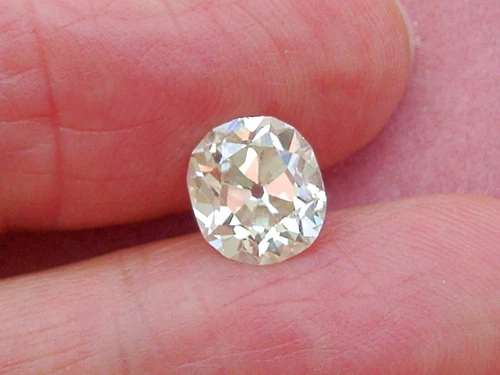
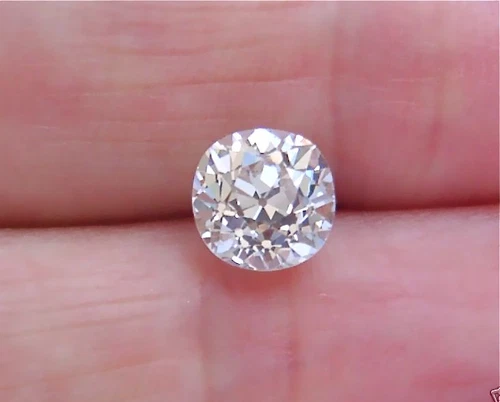
It typically features a high crown, small table, deep pavilion, and large culet. These diamonds are strongly associated with antique Georgian and Victorian jewelry.
Unlike modern standardized diamonds, old mine cuts can vary substantially from one stone to another. Their irregularities are part of their character rather than necessarily being flaws.
Best for: Antique jewelry lovers and vintage engagement rings.
What to watch: Individual character, proportions, symmetry, and whether you genuinely like the softer antique light pattern.
For more detail, explore the old mine cut diamond guide.
15. Old European Cut Diamond
The old European cut diamond is a historic round cutting style that predates the modern round brilliant.

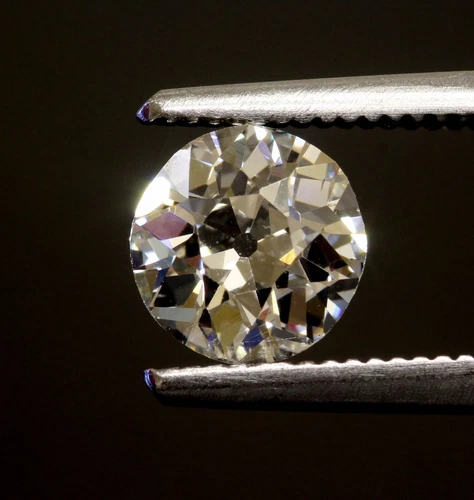
It generally features a high crown, small table, deeper proportions, and a visible culet. It is considered an important predecessor to the modern round brilliant.
Compared with modern round diamonds, old European cuts often have a softer and more distinctive vintage light pattern.
Best for: Antique-style engagement rings and shoppers who value historical character.
What to watch: Don’t judge an old European cut by modern round-brilliant standards. Its appeal comes partly from its historical cutting style.
See the old European cut diamond guide for a deeper explanation.
16. Hexagon Cut Diamond
The hexagon cut diamond has a six-sided geometric outline.
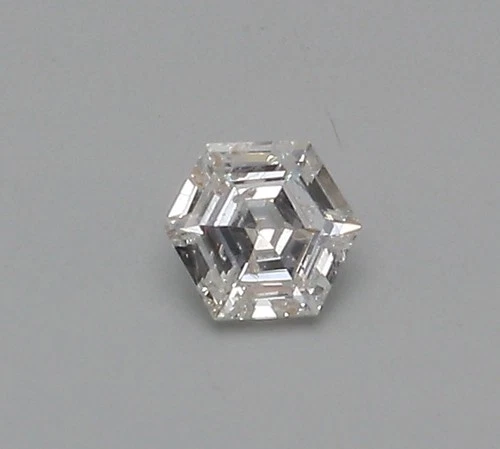

It offers a less conventional alternative to the more familiar round, oval, square, and rectangular shapes. Depending on how the diamond is faceted, it can have either brilliant-style or step-cut characteristics.
Because hexagonal diamonds are less standardized than mainstream shapes, the individual stone deserves careful inspection.
Best for: Modern, geometric, and unconve
What to watch: Symmetry, proportions, facet arrangement, and how the shape works with the setting.
Diamond Shapes Chart: 16 Types at a Glance
| Diamond Shape | Main Characteristic | Typical Style |
|---|---|---|
| Round | Maximum brilliance | Classic |
| Princess | Square with pointed corners | Modern |
| Cushion | Rounded corners | Romantic |
| Oval | Elongated brilliant shape | Elegant |
| Emerald | Step-cut facets | Sophisticated |
| Radiant | Brilliant facets with cropped corners | Modern |
| Pear | Teardrop outline | Distinctive |
| Marquise | Long with pointed ends | Dramatic |
| Asscher | Square step cut | Art Deco |
| Heart | Symbolic heart outline | Romantic |
| Baguette | Narrow rectangular step cut | Minimalist |
| Trillion | Triangular shape | Contemporary |
| Rose | Domed antique cutting style | Vintage |
| Old Mine | Antique cushion-like outline | Antique |
| Old European | Antique round cutting style | Vintage |
| Hexagon | Six-sided geometric outline | Unique |
The shape name is only a starting point. Two diamonds with the same shape and carat weight can still look very different because of their proportions, symmetry, facet arrangement, color, clarity, and overall light performance.
Which Diamond Cut Sparkles the Most?
If maximum sparkle is your priority, brilliant-style diamonds are generally the best place to start.
The round brilliant is particularly well known for strong light performance. Other shapes, including oval, pear, marquise, radiant, and princess, can also provide lively brilliance when properly cut.
Step-cut diamonds such as emerald and Asscher create a different effect. Their long, parallel facets produce broader reflections and a hall-of-mirrors appearance rather than the rapid scintillation associated with brilliant cuts.
So there isn’t one universal “best” diamond cut.
If you want maximum sparkle, start with brilliant-style shapes.
If you prefer broad flashes and clean reflections, consider step cuts.
If you want antique character and softer light, rose, old mine, and old European cuts may be more appealing.
Which Diamond Shape Looks Biggest?
A diamond’s carat weight does not tell you exactly how large it will look from above.
Elongated shapes such as oval, marquise, pear, and some radiant diamonds can provide substantial face-up coverage because more of their weight may be distributed across their length and width.
However, visual size depends on the diamond’s actual measurements and proportions, not just its shape.
This is why two 1-carat diamonds can look noticeably different on the finger.
If visual coverage is important, compare the stone’s measurements and face-up appearance rather than choosing solely by carat weight.
What Is the Best Diamond Shape for an Engagement Ring?
There is no single best shape for every engagement ring.
The right choice depends on what you value most.
Choose round if you want:
- Classic styling
- Strong brilliance
- A timeless appearance
- A highly standardized cutting system
Choose oval if you want:
- An elongated appearance
- Strong sparkle
- More finger coverage
- A classic shape with a modern feel
Choose cushion if you want:
- Soft, rounded edges
- Romantic styling
- Vintage-inspired character
- A substantial-looking center stone
Choose emerald or Asscher if you want:
- Step-cut reflections
- Clean geometric lines
- Sophisticated styling
- An Art Deco influence
Choose pear or marquise if you want:
- An elongated silhouette
- Something less conventional
- Strong visual personality
Choose radiant or princess if you want:
- Geometric styling
- Brilliant-style sparkle
- A contemporary appearance
Choose rose, old mine, or old European if you want:
- Antique character
- Historical cutting styles
- Softer or more distinctive light patterns
You can also compare shapes according to the setting you plan to use. For example, the site’s guide to which diamond shape works best with each ring setting can help narrow the choices further.
How to Choose the Right Diamond Shape
1. Start with the appearance you naturally prefer
Don’t begin with a popularity ranking. Start by identifying the silhouettes you actually like.
Do you prefer round and symmetrical? Long and elegant? Soft and romantic? Geometric and architectural?
Your answer can eliminate many options immediately.
2. Decide how much sparkle you want
If you want intense scintillation, look toward brilliant-style shapes.
If you prefer broad reflections, consider emerald or Asscher.
If you prefer understated antique character, rose or antique cuts may be a better fit.
3. Consider the finger coverage
Elongated shapes can create more length across the finger.
Oval, marquise, and pear diamonds are especially useful for shoppers who like an elongated appearance.
4. Think about the setting
The shape and setting should work together.
Pointed shapes such as princess, pear, marquise, heart, and trillion need appropriate protection around vulnerable corners or tips.
Other shapes may lend themselves naturally to solitaire, halo, three-stone, or side-stone designs.
5. Pay attention to proportions
For fancy shapes, there isn’t one universal set of proportions that makes every diamond beautiful.
Look at:
- Length-to-width ratio
- Symmetry
- Outline
- Facet pattern
- Face-up dimensions
- Bow-tie effects where relevant
- Overall visual balance
6. Don’t ignore clarity and color
Step-cut shapes such as emerald and Asscher can make inclusions more apparent because of their large, open facets.
Other shapes may hide inclusions more effectively depending on their faceting.
Color visibility can also vary by shape, so don’t assume the same color grade will look identical in every diamond.
7. Compare actual diamonds
A diamond shape chart is useful for narrowing your options, but it cannot tell you exactly how a particular stone will look.
Two diamonds with identical carat weights can have different measurements, proportions, symmetry, and light performance.
Whenever possible, compare the actual stones visually rather than relying only on their specifications.
Frequently Asked Questions
What are the 16 types of diamond cuts and shapes?
The 16 covered in this guide are round, princess, cushion, oval, emerald, radiant, pear, marquise, Asscher, heart, baguette, trillion, rose, old mine, old European, and hexagon.
What is the most popular diamond cut?
The round brilliant is the classic and widely recognized choice for engagement rings. Its popularity comes from its timeless appearance and strong light performance.
What is the best diamond cut for an engagement ring?
The best choice depends on personal preference. Round is a strong option for classic brilliance, oval and marquise create elongated looks, cushion offers a softer appearance, emerald provides sophisticated step-cut reflections, and radiant combines geometric styling with brilliant-style sparkle.
Which diamond shapes sparkle the most?
Brilliant-style shapes generally produce more visible sparkle than step-cut shapes. Round brilliant diamonds are particularly well known for strong brilliance, although oval, pear, marquise, radiant, and other brilliant-style shapes can also perform beautifully.
What is the difference between brilliant cut and step cut diamonds?
Brilliant cuts use facet arrangements designed to maximize brightness, fire, and scintillation. Step cuts use long, parallel facets that create broader reflections and a hall-of-mirrors appearance.
Are diamond cuts and diamond shapes the same thing?
No. Technically, shape describes the diamond’s outline, while cut describes the craftsmanship, proportions, symmetry, polish, and facet arrangement. However, consumers commonly use “diamond cut” to describe different diamond shapes.
Which diamond shape looks the biggest?
Elongated shapes such as oval, marquise, and pear can provide substantial face-up coverage for their carat weight. However, actual visual size depends on the stone’s measurements and proportions.
Which diamond shape is best for a classic engagement ring?
Round is the traditional choice for a classic engagement ring. Oval can offer a similar elegant feel with a more elongated appearance, while cushion can provide a softer and more romantic look.
Should you choose diamond shape or cut first?
For most shoppers, choosing the preferred shape and overall appearance first is a practical starting point. Once you’ve narrowed the shape, compare individual diamonds based on cut quality, proportions, symmetry, clarity, color, measurements, and light performance.
Final Thoughts
The best diamond shape isn’t necessarily the most popular one. It’s the one that gives you the combination of appearance, sparkle, proportions, style, and practicality you actually want.
Round remains the classic choice for brilliance. Oval, pear, and marquise create elongated silhouettes. Cushion offers softer romantic styling. Emerald and Asscher provide sophisticated step-cut reflections. Radiant and princess bring geometric modernity, while rose, old mine, and old European cuts offer historic character.
Once you know the difference between shape, cut, and cutting style, comparing diamonds becomes much easier and you can focus less on terminology and more on finding a stone you genuinely love.