💍 Smart Ring Shopping Starts Here – Compare styles, diamonds & prices before you buy.

DIAMOND BUYING GUIDE

Diamond Shape Guide: Compare Every Diamond Shape Before You Buy

Choosing the right diamond shape is one of the most important decisions when buying an engagement ring. Explore the most popular diamond shapes, compare their sparkle, proportions, face-up size, style, price considerations, and learn how to choose the shape that fits your ring and personal style.

✓ Shape comparison ✓ Buying guidance ✓ Engagement ring focused
Diamond Shape Guide Image
10 Popular Shapes Compare before you buy

What Is a Diamond Shape?

A diamond’s shape refers to the visible outline or geometric form of the stone. Round, oval, cushion, princess, emerald, radiant, pear, marquise, Asscher, and heart are some of the most recognizable diamond shapes available today.

Shape is an important part of choosing an engagement ring because it influences the overall personality of the ring, how large the diamond appears from above, how much sparkle it can display, how the stone interacts with different settings, and how the ring looks on the wearer’s hand.

One important distinction is that diamond shape and diamond cut are not the same thing. Shape describes the outline of the diamond, while cut refers to the quality and precision of its proportions, facets, symmetry, and finish. A beautiful shape can still perform poorly if the individual diamond has weak proportions or poor light performance.

Diamond Shape vs. Diamond Cut

These two terms are often used interchangeably, but they describe different characteristics of a diamond.

01

Diamond Shape

Shape describes the outline of a diamond when you look at it from above. Examples include round, oval, cushion, pear, marquise, emerald, and radiant.

  • Defines the overall silhouette
  • Influences ring style
  • Changes apparent face-up size
  • Can influence pricing
02

Diamond Cut

Cut refers to how effectively a diamond’s facets, proportions, symmetry, and finish interact with light.

  • Influences brilliance
  • Influences fire and scintillation
  • Depends on proportions and faceting
  • Should be evaluated for the individual stone
Round diamond shape

Round Diamond

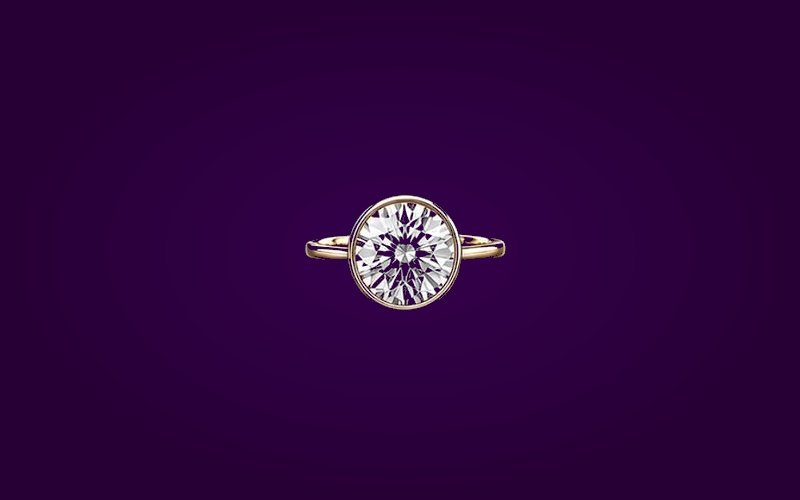
The round brilliant is one of the most recognizable diamond shapes and is especially popular for engagement rings. Its symmetrical outline and complex brilliant-style faceting are designed to interact strongly with light.

A round diamond is often chosen by buyers who want a classic appearance that works across many engagement ring settings. It can look equally appropriate in a minimalist solitaire, a halo design, a pavé setting, or a more elaborate vintage-inspired ring.

StyleClassic
SparkleHigh potential
ShapeSymmetrical
VersatilityExcellent

Why Choose a Round Diamond?

Round diamonds are often selected for their traditional appearance and strong light performance potential. Their symmetry also makes them easy to pair with many different ring designs.

Things to Consider

  • Compare individual cut quality rather than choosing only by grade.
  • Look at actual proportions and dimensions.
  • Consider the balance between carat weight and visible size.
  • Compare pricing across similar quality levels.
Explore the Round Diamond Guide →

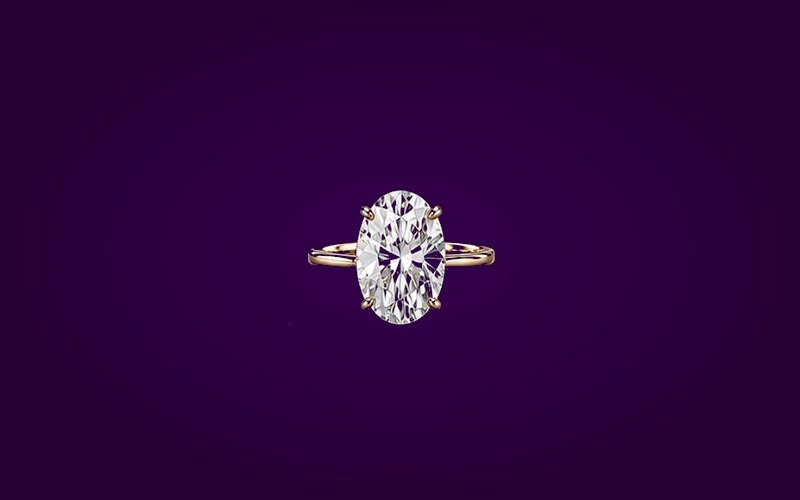
Oval Diamond

Oval diamonds combine an elongated silhouette with brilliant-style faceting. Their length can create a graceful visual effect and may provide substantial finger coverage relative to their carat weight.

One of the most important considerations when shopping for an oval diamond is its length-to-width ratio. Different ratios produce noticeably different appearances, so buyers should compare actual images and dimensions rather than selecting a ratio simply because it is popular.

Pay Attention to the Bow-Tie Effect

Some oval diamonds can display a darker area across the center known as a bow-tie. The effect varies from stone to stone, so it is important to inspect the individual diamond rather than assuming every oval will look the same.

StyleElegant
SilhouetteElongated
CoverageOften strong
Watch ForBow-tie
Explore the Oval Diamond Guide →
Oval diamond shape
Cushion diamond shape

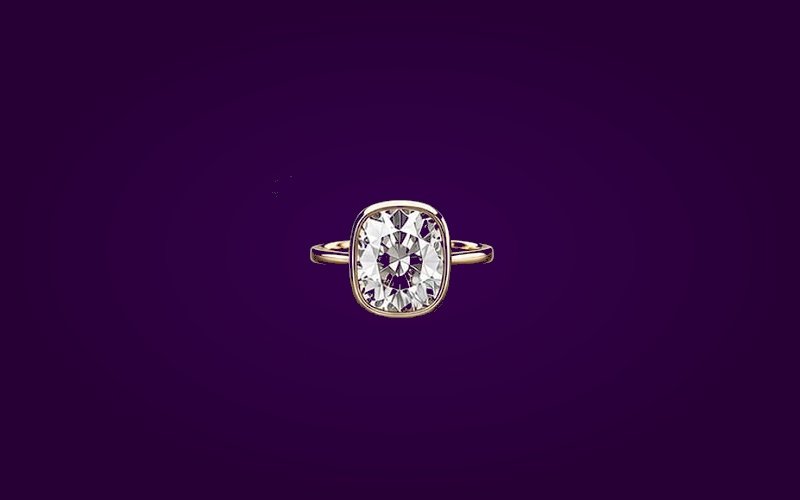
Cushion Diamond

Cushion diamonds combine a square or rectangular outline with rounded corners. Their softer silhouette gives them a romantic appearance that works particularly well in vintage-inspired and modern engagement rings.

Cushion diamonds can have different facet patterns. Some display larger, chunkier flashes while others have a more crushed-ice appearance. Looking at the actual diamond is therefore important when evaluating a cushion.

Who Is a Cushion Diamond Best For?

A cushion can be a strong choice for someone who wants a softer alternative to a square princess shape while retaining a classic outline.

  • Works well with vintage-inspired settings.
  • Available in square and rectangular appearances.
  • Can offer a romantic visual personality.
  • Facet pattern varies significantly between stones.
Explore the Cushion Diamond Guide →

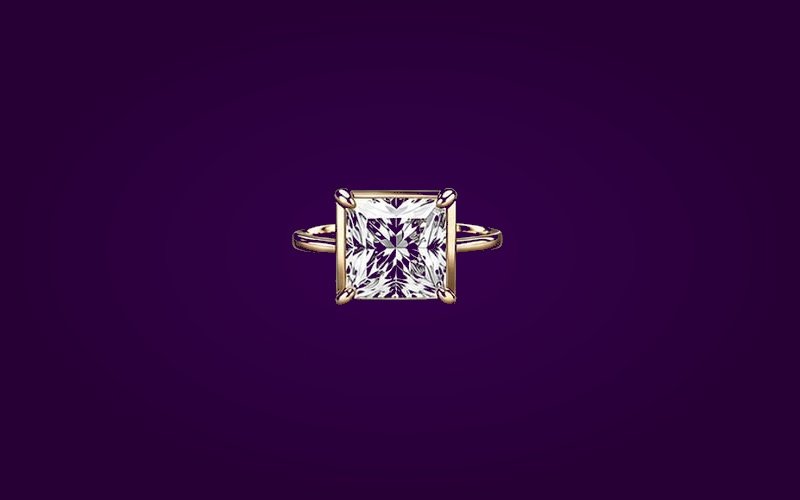
Princess Diamond

The princess shape is known for its square appearance and brilliant-style faceting. Its sharp corners give it a distinctly modern personality.

Because the corners are pointed, the setting should provide appropriate protection. Buyers should consider how the stone will be mounted and how the ring will be worn every day.

Princess Diamond Buying Tips

  • Inspect the corners carefully.
  • Consider protective prongs or an appropriate setting.
  • Compare length-to-width proportions.
  • Evaluate the actual stone rather than relying only on a grade.
Explore the Princess Diamond Guide →
Princess diamond shape
Emerald diamond shape

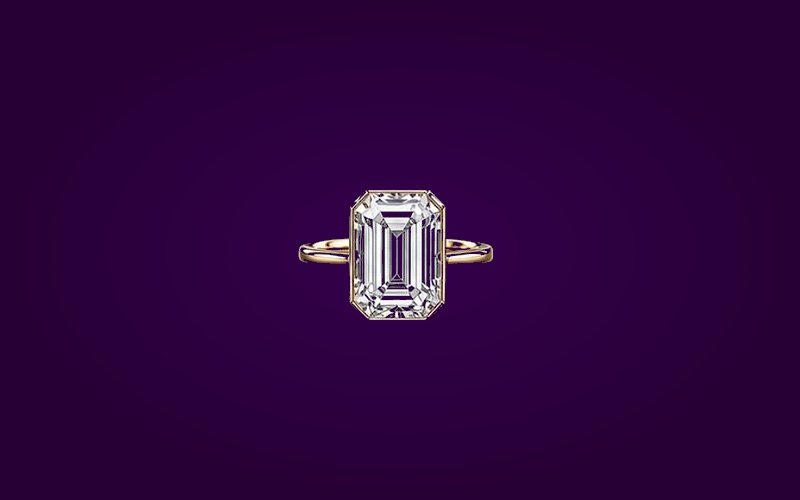
Emerald Diamond

Emerald diamonds are recognized by their elongated rectangular outline and step-cut faceting. Instead of the intense glitter associated with many brilliant-style shapes, an emerald cut can create broad flashes of light often described as a hall-of-mirrors effect.

Because the large, open facets can make inclusions easier to notice, clarity deserves particular attention when shopping for an emerald diamond.

Emerald Diamond Style

Emerald shapes are especially popular with buyers who prefer understated elegance, clean geometry, Art Deco influences, and a sophisticated rather than highly glittering appearance.

Explore the Emerald Diamond Guide →
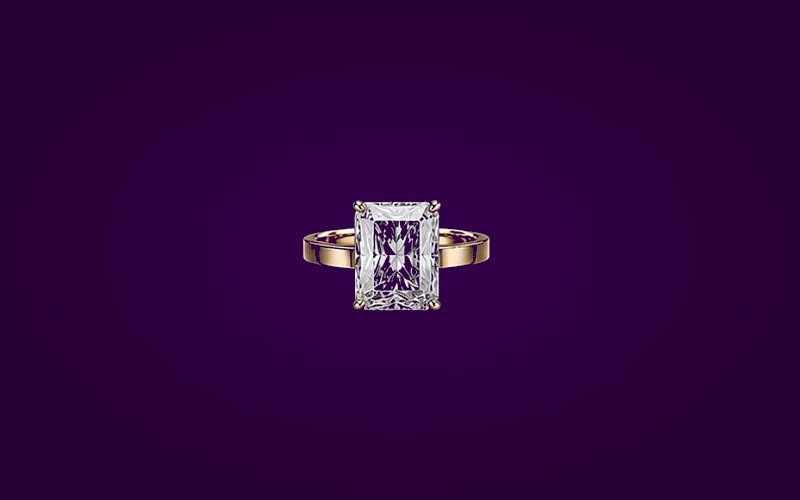
Radiant Diamond

Radiant diamonds combine a rectangular or square outline with brilliant-style faceting. Their clipped corners create a distinctive silhouette while their faceting can provide substantial sparkle.

Radiant diamonds can be particularly appealing to buyers who want the visual presence of an elongated shape while still preferring a lively brilliant-style appearance.

Radiant Diamond Advantages

  • Strong combination of shape and sparkle.
  • Clipped corners can help create a distinctive outline.
  • Works well in modern engagement rings.
  • Available in different proportions.
Explore the Radiant Diamond Guide →
Radiant diamond shape
Pear diamond shape

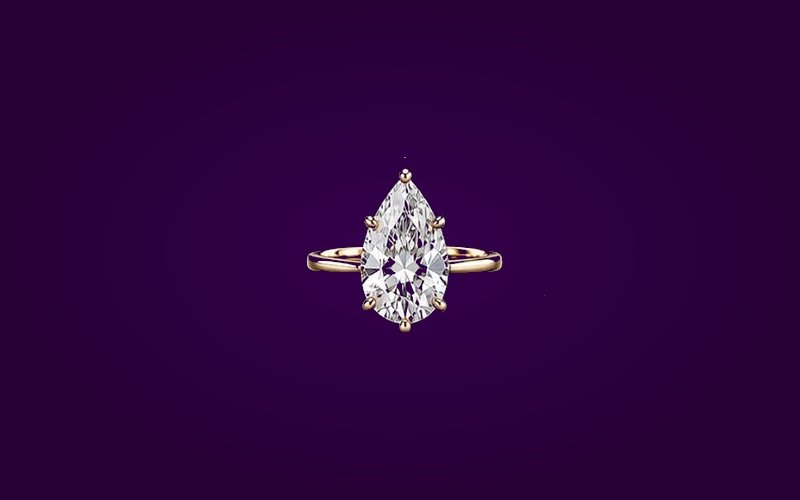
Pear Diamond

Pear diamonds combine the rounded end of an oval-like outline with a pointed tip. The result is a distinctive teardrop silhouette that can look romantic, elegant, and unusual compared with traditional round or square shapes.

Symmetry is especially important. Buyers should also consider how the pointed tip will be protected by the setting and inspect the stone for any noticeable bow-tie effect.

Setting Considerations

A pear diamond can be worn with the point facing toward or away from the hand. The orientation can significantly change the personality of the finished ring.

Explore the Pear Diamond Guide →

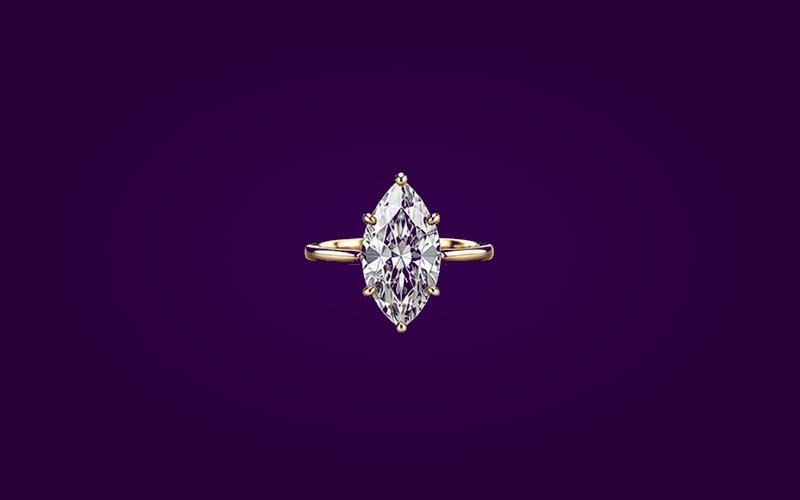
Marquise Diamond

The marquise diamond has a long, narrow outline with pointed ends. Its elongated shape can create significant finger coverage and may make the finger appear visually longer.

Symmetry and the shape of the points are important considerations. Like other elongated brilliant-style shapes, marquise diamonds can also display a bow-tie effect.

Marquise Diamond Style

Marquise diamonds work particularly well for buyers looking for a distinctive silhouette, vintage-inspired design, or a statement engagement ring.

Explore the Marquise Diamond Guide →
Marquise diamond shape
Asscher diamond shape

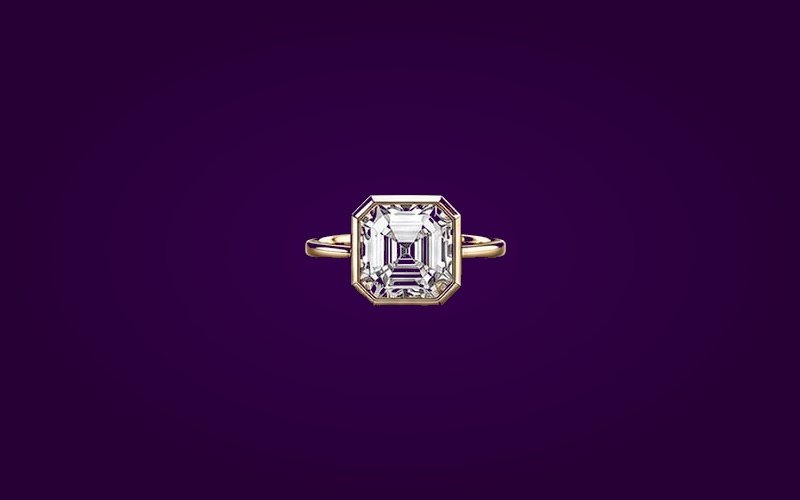
Asscher Diamond

Asscher diamonds are square step-cut diamonds recognized for their geometric appearance and distinctive concentric faceting. They are strongly associated with Art Deco-inspired jewelry.

The large step facets can create dramatic flashes and a deep visual appearance. Because the facets are relatively open, clarity should be considered carefully when selecting an Asscher diamond.

Who Should Choose an Asscher Diamond?

This shape is especially appealing to someone who prefers symmetry, geometric design, vintage-inspired jewelry, and a more understated style of sparkle.

Explore the Asscher Diamond Guide →

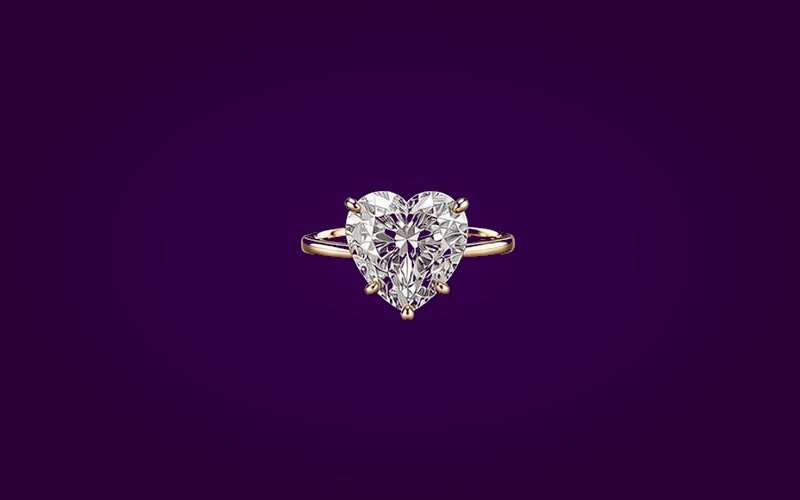
Heart Diamond

Heart-shaped diamonds are instantly recognizable and are often chosen because of their romantic symbolism. The shape requires careful attention to symmetry, proportions, and the definition of the cleft at the top.

The pointed bottom also deserves protection from the ring setting. A well-made heart shape should have balanced lobes and a clearly defined center cleft.

Heart Diamond Buying Tips

  • Look for strong symmetry.
  • Check the definition of the cleft.
  • Protect the pointed tip with the appropriate setting.
  • Inspect the stone for any noticeable bow-tie effect.
Explore the Heart Diamond Guide →
Heart diamond shape

Diamond Shape Comparison Chart

Use this overview to compare the most important characteristics before exploring each shape in more detail.

Shape Style Sparkle Potential Appearance Common Consideration
Round Classic High Symmetrical Cut quality & price
Oval Elegant High potential Elongated Bow-tie & ratio
Cushion Romantic Varies Soft square/rectangle Facet pattern
Princess Modern High potential Square Corner protection
Emerald Sophisticated Different style Long step-cut Clarity
Radiant Modern High potential Square/rectangular Proportions
Pear Romantic High potential Teardrop Symmetry & bow-tie
Marquise Vintage High potential Long & narrow Bow-tie & points
Asscher Art Deco Step-cut Square Clarity
Heart Romantic High potential Heart-shaped Symmetry & tip

Which Diamond Shapes Have the Most Sparkle?

Sparkle is not determined by shape alone. The individual diamond’s proportions, faceting, symmetry, polish, and interaction with light all matter.

Brilliant-style shapes such as round, oval, radiant, pear, marquise, princess, and many cushions can display strong brilliance when well cut. Step-cut shapes such as emerald and Asscher create a different visual effect, with broader flashes and a more reflective appearance.

Remember

Never choose a diamond solely because its shape is considered “sparkly.” Compare the actual stone and its cut quality.

Which Diamond Shape Looks Biggest?

Carat weight measures weight, not the exact visible surface area of a diamond. Two diamonds with the same carat weight can look different in size from above.

Carat Measures weight
Dimensions Show visible size
Depth Influences spread
Shape Changes silhouette

Elongated shapes can sometimes create an impressive face-up appearance because of their length and outline. Always compare the actual measurements of the diamonds you are considering.

Best Diamond Shapes for Different Finger Styles

01

Elongating the Finger

Oval, marquise, pear, and elongated radiant shapes can create a lengthened visual effect because of their vertical silhouettes.

02

Shorter-Looking Fingers

Elongated shapes may be worth considering if you prefer a visual effect that emphasizes length.

03

Wider Fingers

Larger visual coverage, wider bands, halos, and elongated shapes can all change how a diamond appears on the hand.

04

Slender Fingers

Both elongated and compact shapes can work beautifully. Ring proportion and personal preference are often more important than a fixed rule.

What Is the Bow-Tie Effect?

A bow-tie effect is a darker area that can appear across the center of some elongated diamond shapes. It is associated with the way light interacts with the diamond’s proportions and faceting.

Oval, pear, and marquise diamonds are among the shapes where buyers commonly pay attention to bow-tie appearance. However, the strength and visual impact vary from diamond to diamond.

How to Evaluate It

  • Look at the actual diamond rather than only a stock image.
  • View it from multiple angles.
  • Check whether the center remains lively in different lighting.
  • Compare several diamonds with similar proportions.
Bow-Tie Effect Image

Understanding Diamond Length-to-Width Ratio

Length-to-width ratio is especially useful when comparing elongated shapes. It describes how long a diamond appears relative to its width.

Length ÷ Width = Length-to-Width Ratio
10 ÷ 7 ≈ 1.43
12 ÷ 8 = 1.50
11 ÷ 6 ≈ 1.83

There is no single universally “perfect” ratio. The preferred ratio depends on the shape and the look you personally want. When shopping, compare actual images, dimensions, and the overall outline of the stone.

How Diamond Shape Affects Color and Clarity Decisions

Color

Some shapes can make body color more noticeable than others. The setting metal can also influence the overall appearance.

Clarity

Step-cut shapes with larger open facets can make inclusions easier to see, which is why visual inspection is particularly important.

Cut Quality

Cut quality affects light performance and should be evaluated on the actual diamond rather than inferred from shape alone.

Carat Weight

Carat is weight, not visible size. Compare dimensions alongside carat weight when face-up appearance matters to you.

Diamond Shapes and Engagement Ring Settings

Solitaire

A solitaire places the focus almost entirely on the center diamond, making shape selection especially important.

Halo

A halo can visually increase the presence of the center stone and create interesting shape combinations.

Three-Stone

Three-stone settings can create strong symmetry or contrast between different diamond shapes.

Hidden Halo

A hidden halo adds detail around the center stone while keeping the main shape visually dominant from above.

East-West

Elongated shapes such as oval, marquise, emerald, and radiant can be rotated horizontally for a distinctive modern look.

Vintage

Cushion, emerald, Asscher, marquise, and other shapes can work beautifully with vintage-inspired details depending on the design.

Which Diamond Shape Is Right for You?

Answer a few quick questions and use the result as a starting point for your diamond search.

1. What matters most?

2. Which silhouette do you prefer?

3. What ring personality do you prefer?

Your Recommended Shapes

This interactive tool is intended as a starting point. The best diamond shape depends on personal preference, the individual diamond, and the final ring design.

Best Diamond Shapes by Preference

01

For Classic Style

Round is a natural starting point for a timeless engagement ring.

02

For an Elongated Look

Consider oval, marquise, pear, or elongated radiant and emerald shapes.

03

For Vintage Style

Cushion, Asscher, emerald, and marquise can work beautifully in vintage-inspired designs.

04

For Maximum Visual Drama

Consider distinctive silhouettes and settings that emphasize the center stone.

05

For Modern Style

Princess, radiant, emerald, and sleek elongated shapes can create contemporary looks.

06

For Romance

Heart and pear shapes are natural choices for buyers drawn to symbolic silhouettes.

How to Choose the Right Diamond Shape

Instead of choosing a shape based on trends alone, use this process to narrow down the right option for your engagement ring.

01

Start With Style

Decide whether you prefer classic, modern, vintage, romantic, or distinctive jewelry.

02

Choose the Silhouette

Decide between round, square, rectangular, elongated, or symbolic shapes.

03

Consider Sparkle

Decide whether you prefer intense brilliance or broader step-cut flashes.

04

Compare Dimensions

Look beyond carat weight and compare actual length and width measurements.

05

Review Color & Clarity

Shape can influence how color and inclusions are perceived.

06

Choose the Setting

Make sure the ring setting complements and protects the diamond shape.

07

Compare Individual Stones

Two diamonds with the same shape and grade can still look different.

08

Check Certification

Review the available grading report and understand what it actually tells you.

Common Diamond Shape Buying Mistakes

01

Choosing Only by Carat

Carat measures weight. Always consider the diamond’s dimensions and visual appearance.

02

Confusing Shape With Cut

Shape describes the outline. Cut describes the quality of the diamond’s faceting and proportions.

03

Ignoring Proportions

Proportions can dramatically change how an elongated or rectangular diamond looks.

04

Ignoring Bow-Tie Effects

For applicable elongated shapes, inspect the actual diamond rather than relying only on listing photos.

05

Buying Only From a Trend

Trends change. Choose a shape that you genuinely want to wear for years.

06

Ignoring the Setting

Some shapes require special consideration around corners and pointed ends.

Diamond Shape Buying Checklist

Use this checklist when comparing diamonds online.

Diamond Shape Guide FAQs

Answers to common questions shoppers ask before choosing a diamond shape.

What are the most popular diamond shapes?

Round, oval, cushion, princess, emerald, radiant, pear, marquise, Asscher, and heart are among the most recognizable diamond shapes. Popularity can vary by market, style, and current jewelry trends.

What is the difference between diamond shape and diamond cut?

Shape describes the diamond’s outline, such as round, oval, or emerald. Cut describes the quality of its proportions, faceting, symmetry, and finish, which influence how effectively the diamond interacts with light.

Which diamond shape has the most sparkle?

Sparkle depends heavily on the individual diamond’s cut quality and proportions. Brilliant-style shapes can produce strong light performance, while step-cut shapes create a different broad-flash appearance.

Which diamond shape looks the biggest?

Visible size depends on dimensions, depth, proportions, and outline rather than carat weight alone. Some elongated shapes can provide substantial face-up coverage.

What diamond shape is best for an engagement ring?

There is no universally best shape. The right choice depends on personal style, desired sparkle, finger appearance, budget, setting, and the specific diamond being considered.

Which diamond shape is best for short fingers?

Elongated shapes such as oval, marquise, pear, and elongated radiant or emerald diamonds can create a lengthened visual effect. Ring proportions and personal preference should also be considered.

Which diamond shapes show color more easily?

Shape can influence how body color is perceived, but the effect depends on the diamond itself, its proportions, size, lighting, and setting metal. Compare actual stones when color is a priority.

Which diamond shapes show inclusions more easily?

Step-cut shapes such as emerald and Asscher can make inclusions easier to see because of their large, open facets. Visual inspection remains important for every shape.

What is the bow-tie effect in a diamond?

The bow-tie effect is a darker region that can appear across the center of some elongated diamonds. Its strength varies from stone to stone and should be evaluated on the individual diamond.

What is a diamond length-to-width ratio?

Length-to-width ratio is calculated by dividing the diamond’s length by its width. It helps shoppers understand how elongated or compact a diamond looks.

Are fancy-shaped diamonds cheaper than round diamonds?

Pricing varies based on shape, quality, market demand, carat weight, proportions, certification, and whether the diamond is natural or lab-grown. No shape is guaranteed to be cheaper in every situation.

Should I choose diamond shape before carat weight?

Many shoppers find it useful to choose a preferred shape first and then balance carat weight, dimensions, quality, and budget within that shape.

Which diamond shapes are best for vintage rings?

Cushion, Asscher, emerald, marquise, and other shapes can work beautifully in vintage-inspired designs. The final appearance depends heavily on the setting and design details.

Can all diamond shapes be lab-grown?

Many popular diamond shapes are available as lab-grown diamonds. Availability depends on the retailer, inventory, size, quality, and specific shape.

How do I choose the right diamond shape?

Start with your preferred style, then consider silhouette, sparkle, face-up size, proportions, color, clarity, setting compatibility, certification, and total budget. Comparing actual diamonds is the final step.

Affiliate Disclosure

Diamiv may earn a commission when you purchase through certain links on this page. This does not affect the price you pay or our editorial recommendations.

Learn More →

Ready to Find the Right Diamond Shape?

Compare diamond shapes, understand the trade-offs, and choose a stone that fits your style, budget, and engagement ring design.