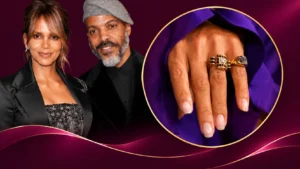
The best color of amethyst for a ring depends on your personal style, budget, and the appearance you prefer. Purple amethyst is generally the better choice if you love rich, saturated color, while lavender amethyst is ideal for a softer, lighter, and more delicate look.
Both are varieties of the same gemstone, so the difference is primarily their color intensity and visual appeal rather than their fundamental identity.
Whether you’re choosing an amethyst engagement ring, a statement ring, or an everyday jewelry piece, understanding the differences can help you find a gemstone that suits your preferences.
Purple vs Lavender Amethyst: Quick Comparison
Purple and lavender amethyst share the same mineral identity, but their different shades create noticeably different appearances.
| Feature | Purple Amethyst | Lavender Amethyst |
|---|---|---|
| Color | Rich, saturated purple | Soft, pale purple |
| Appearance | Bold and dramatic | Light and delicate |
| Color intensity | Generally stronger | Generally softer |
| Style | Classic and luxurious | Romantic and understated |
| Popular settings | Solitaire, vintage, halo | Minimalist, delicate, modern |
| Value | Strong, attractive purple is often more prized | Pale shades are generally more affordable |
| Best for | Statement jewelry | Subtle everyday styling |
Quick verdict: Choose purple amethyst if you want a traditional, eye-catching gemstone. Choose lavender amethyst if you prefer a subtle pastel appearance.
What Is the Difference Between Purple and Lavender Amethyst?
The biggest difference between purple and lavender amethyst is color saturation and tone.
Amethyst is the purple variety of quartz. Its natural color can range from extremely pale lilac to intense violet and reddish purple.
Lavender amethyst sits toward the lighter end of this color spectrum. Purple amethyst generally has a deeper, more saturated appearance.
Neither shade represents a completely different gemstone.
Purple Amethyst
Purple amethyst is known for its stronger color and noticeable visual presence.
Depending on the individual gemstone, it can display violet, reddish-purple, bluish-purple, or deep royal-purple tones.
Some of the characteristics buyers appreciate include:
- Rich and noticeable purple color.
- Strong visual contrast against lighter metals.
- An elegant appearance in larger gemstone rings.
- A traditional amethyst look.
- Suitability for statement and vintage-inspired jewelry.
However, darker doesn’t automatically mean better. An excessively dark amethyst can appear almost black under dim lighting, reducing its visual appeal.
Lavender Amethyst
Lavender amethyst has a lighter and softer appearance than traditional deep-purple varieties.
Its delicate pastel color can make a ring feel more understated without losing the distinctive character of amethyst.
Common characteristics include:
- Pale lilac or lavender tones.
- A gentle, romantic appearance.
- A subtle look for minimalist jewelry.
- Beautiful combinations with rose gold and white metals.
- Suitability for delicate gemstone designs.
Lavender amethyst should not automatically be considered an inferior gemstone. It simply offers a different aesthetic.
Purple vs Lavender Amethyst: Which Color Is More Valuable?
Rich purple amethyst generally commands greater desirability than very pale lavender material, particularly when it has attractive saturation, good clarity, and even color distribution.
According to the Gemological Institute of America (GIA), the most prized amethyst colors are strong reddish-purple to purple without distracting brownish tones or noticeable color zoning.
However, gemstone value is not determined by color alone.
Several factors influence the quality and desirability of an amethyst.
1. Color Saturation
Saturation refers to the strength or intensity of a gemstone’s color.
A richly saturated purple amethyst often has greater market appeal than an extremely pale stone.
However, the gemstone should still maintain enough brightness to display its color clearly.
2. Color Distribution
An amethyst with relatively even color distribution is generally more desirable than one with prominent areas of light and dark purple.
Uneven color distribution is known as color zoning.
Before purchasing, examine the gemstone from the top and different angles to check whether its color appears balanced.
3. Clarity
Many faceted amethysts are eye-clean, meaning they have no obvious inclusions visible without magnification.
Visible inclusions can affect the appearance of lighter lavender stones more noticeably because their softer color provides less visual masking.
4. Cut Quality
A well-cut amethyst can look considerably more attractive than a poorly cut gemstone with a stronger natural color.
Good cutting helps the stone reflect light evenly and display its color attractively.
When comparing two gemstones, consider their cut, brightness, and overall appearance instead of choosing based only on color.
Buying tip: Don’t pay extra simply because a seller describes an amethyst as royal purple, premium purple, or AAA. GIA notes that there is no standardized AAA, AA, or A grading system for amethyst.
Which Amethyst Color Looks Better in Different Ring Settings?
The gemstone’s shade can influence how the finished ring looks.
Your choice of metal, setting, and overall design can make either purple or lavender amethyst attractive.
Purple Amethyst in Ring Settings
Purple amethyst works particularly well in designs that highlight its rich color.
Popular styling ideas include:
- Solitaire settings: Allow the deep-purple gemstone to become the main attraction.
- Halo settings: Create contrast between the purple center stone and surrounding accent diamonds.
- Vintage-inspired settings: Complement the traditional character of richly colored gemstones.
- Three-stone settings: Combine the amethyst with contrasting accent stones for a distinctive appearance.
Yellow gold can create a warm, traditional contrast, while white gold and platinum provide a cleaner, more contemporary appearance.
Lavender Amethyst in Ring Settings
Lavender amethyst is particularly attractive in designs that emphasize simplicity and delicate details.
Consider these styles:
- Minimalist solitaire: Keeps attention on the soft lavender color.
- Rose gold settings: Create a warm and romantic combination.
- Hidden halo designs: Add subtle detail without overpowering the center gemstone.
- Delicate vintage rings: Complement the gemstone’s softer appearance.
The right setting ultimately depends on the look you want rather than a strict rule about which shade belongs in which design.
Which Color Is Better for an Engagement Ring?
Both purple and lavender amethyst can make beautiful alternative engagement rings.
The better choice depends on the style you prefer and how frequently you intend to wear the ring.
| Preference | Better Choice |
|---|---|
| Bold gemstone appearance | Purple amethyst |
| Soft, romantic appearance | Lavender amethyst |
| Traditional amethyst look | Purple amethyst |
| Minimalist jewelry | Lavender amethyst |
| Stronger color contrast | Purple amethyst |
| Subtle pastel styling | Lavender amethyst |
One important consideration is durability.
Amethyst has a Mohs hardness of 7. It is suitable for jewelry, including engagement rings, but it is more susceptible to scratching and wear than sapphire or diamond.
If you plan to wear an amethyst engagement ring every day, consider a protective setting and remove it during activities that could expose the gemstone to hard impacts.
If long-term everyday durability is your highest priority, you may also want to compare amethyst with purple sapphire.
Read our guide to amethyst vs purple sapphire to understand their differences.
Does Purple Amethyst Have Better Durability Than Lavender Amethyst?
No. Purple and lavender amethyst have essentially the same underlying mineral identity and hardness.
Both are varieties of quartz and have a Mohs hardness of 7.
The shade of purple does not automatically make one more resistant to scratches, impacts, or everyday wear.
Their practical durability depends on factors such as the gemstone’s condition, inclusions, cut, setting, and how the ring is worn.
For either shade:
- Remove the ring before heavy physical activities.
- Avoid exposing it to hard impacts.
- Store it separately from harder gemstones.
- Avoid prolonged exposure to intense light and excessive heat.
- Have the setting inspected periodically.
The main difference between these shades is appearance, not everyday durability.
How to Choose a High-Quality Amethyst for a Ring
Choosing between purple and lavender amethyst is only the first step.
Before purchasing, examine the actual gemstone rather than relying entirely on product photographs or a seller’s color description.
1. Compare the Color in Different Lighting
Gemstones can look different under jewelry-store lighting, natural daylight, and indoor lighting.
View your preferred amethyst in more than one lighting condition.
A deep-purple gemstone should retain enough brightness to show its color, while a lavender gemstone should have the soft appearance you expect.
2. Check for Visible Color Zoning
Look at the gemstone from the top and different angles.
Notice whether certain areas appear significantly darker or lighter than others.
Strong visible color zoning can affect the overall appearance and desirability of an amethyst.
3. Examine the Cut
The cut influences how light interacts with the gemstone.
Look for a stone with balanced proportions and an attractive appearance across its surface.
Popular amethyst shapes include:
- Oval
- Round
- Cushion
- Pear
- Emerald-style
- Heart
The best shape depends on your ring design and personal preference.
4. Ask About Treatments
Amethyst may be heat-treated to modify its appearance. Some lower-quality material may also be dyed.
Ask the seller whether the gemstone has received any treatments and whether it is natural or laboratory-created.
For a significant purchase, consider an independent gemological report.
5. Consider the Ring Setting
The setting should complement the gemstone while providing appropriate protection.
For a ring intended for frequent wear, a bezel or protective prong design can help reduce exposure to accidental knocks.
The goal is to find a combination of attractive color, good cutting, and a practical setting.
How to Care for Purple and Lavender Amethyst Rings
Both shades require similar care because they share the same mineral properties.
GIA recommends warm, soapy water for cleaning amethyst.
Follow these simple precautions:
- Clean the gemstone using warm water and mild soap.
- Use a soft cloth to remove dirt and residue.
- Avoid steam cleaning and excessive heat.
- Protect the gemstone from prolonged exposure to intense light.
- Store the ring separately to minimize scratches.
- Have the setting checked periodically by a professional jeweler.
Avoid harsh cleaning chemicals and do not assume every treated amethyst can safely be cleaned using ultrasonic equipment.
Proper care helps preserve the gemstone’s appearance over time.
Frequently Asked Questions
Is lavender amethyst real amethyst?
Yes. Lavender amethyst is a lighter-colored variety of amethyst, which is itself the purple variety of quartz. It is not a completely different gemstone.
Is purple amethyst more expensive than lavender amethyst?
Generally, richly saturated purple amethyst is more desirable and can command higher prices than very pale material. However, cut, clarity, color distribution, and overall quality also influence value.
Is dark purple amethyst better quality?
Not necessarily. Strong, attractive purple color is desirable, but an excessively dark stone can appear nearly black in dim lighting. Brightness and even color distribution matter too.
Does lavender amethyst fade over time?
Some amethyst can fade after prolonged exposure to intense light. This applies to both purple and lavender varieties, so it is best to avoid extended exposure to strong sunlight.
Which amethyst color is best for an engagement ring?
Purple amethyst is a good choice if you prefer a bold, traditional gemstone appearance. Lavender amethyst is better suited to shoppers who like softer, pastel-colored jewelry. Both require more care than diamond or sapphire for frequent everyday wear.
Is lavender amethyst less valuable than purple amethyst?
Pale lavender amethyst is generally more affordable than richly saturated purple material. However, a beautiful lavender stone can still be desirable when it has attractive color, good clarity, and an excellent cut.
Can purple and lavender amethyst be worn together?
Yes. Combining the two shades can create an attractive contrast in gemstone jewelry. Their similar mineral identity makes them a natural pairing for coordinated or multistone designs.
Final Verdict: Purple vs Lavender Amethyst
There is no universal winner in the purple vs lavender amethyst comparison.
Purple amethyst is the better choice for shoppers who love rich, saturated color and a dramatic gemstone appearance. It also tends to be more desirable when its color is strong, attractive, and evenly distributed.
Lavender amethyst is ideal for anyone who prefers a softer, lighter, and more understated look. Its delicate pastel appearance can work beautifully in minimalist and romantic ring designs.
Before making your decision, compare the actual gemstones in different lighting conditions, examine their cut and clarity, and choose a shade that complements your preferred ring style.
Ultimately, the best amethyst is the one whose color and quality you genuinely enjoy.