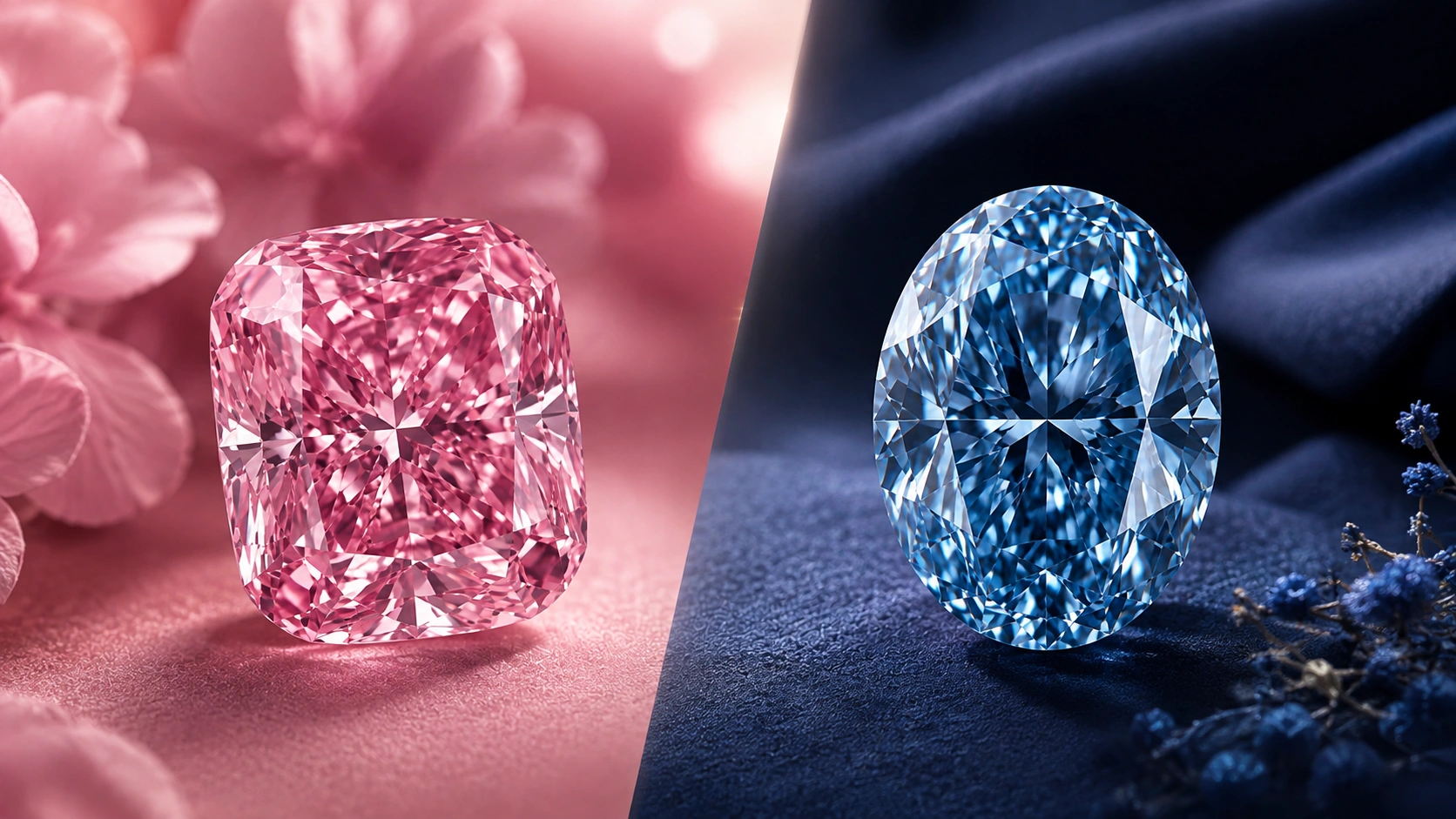
Pink and blue diamonds are among the most coveted fancy color diamonds in the world. Both are exceptionally rare, highly collectible, and capable of commanding extraordinary prices.
But which is more valuable: a pink diamond or a blue diamond?
There is no universal winner. The value of a natural pink or blue diamond depends on far more than its color. Hue, tone, saturation, carat weight, clarity, origin, treatment status, and provenance can all influence the final price.
In general, exceptional pink and blue diamonds can both reach millions of dollars per carat, while the most desirable stones in each color category can command record-breaking auction prices.
If you’re comparing the two for an engagement ring, collection, or long-term purchase, the better question isn’t simply which color is more expensive. It’s which combination of rarity, color quality, size, and provenance gives the stone its value.
Pink vs Blue Diamonds at a Glance
| Factor | Pink Diamonds | Blue Diamonds |
|---|---|---|
| Natural rarity | Extremely rare | Extremely rare |
| Color appeal | Romantic, soft to vivid | Cool, sophisticated, dramatic |
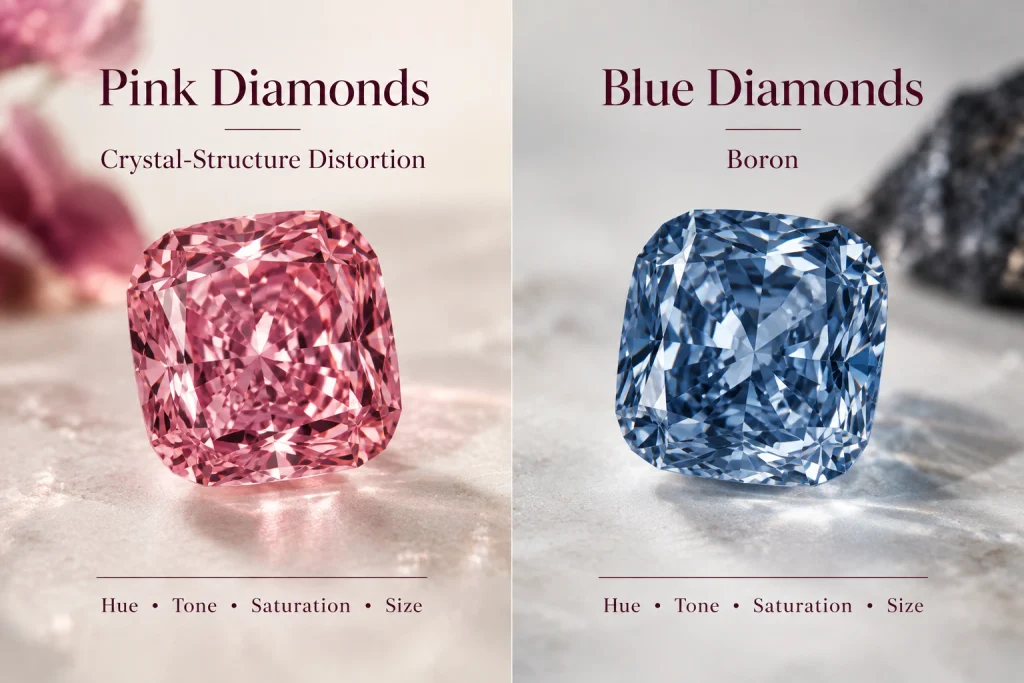
| Main color cause | Crystal-structure distortion | Boron impurities |
| Most desirable colors | Strong, pure pinks and vivid pinks | Strong, saturated blues |
| Value drivers | Color intensity, purity, size, provenance | Color intensity, size, clarity, provenance |
| Investment appeal | Extremely high for exceptional stones | Extremely high for exceptional stones |
| Best for | Romantic and distinctive jewelry | Dramatic and sophisticated jewelry |
| Overall value | Can reach extraordinary prices | Can reach extraordinary prices |
The key takeaway is simple: a top-quality pink diamond can be worth more than a blue diamond, and a top-quality blue diamond can be worth more than a pink diamond.
The individual stone matters more than the color label alone.
What Are Pink Diamonds?
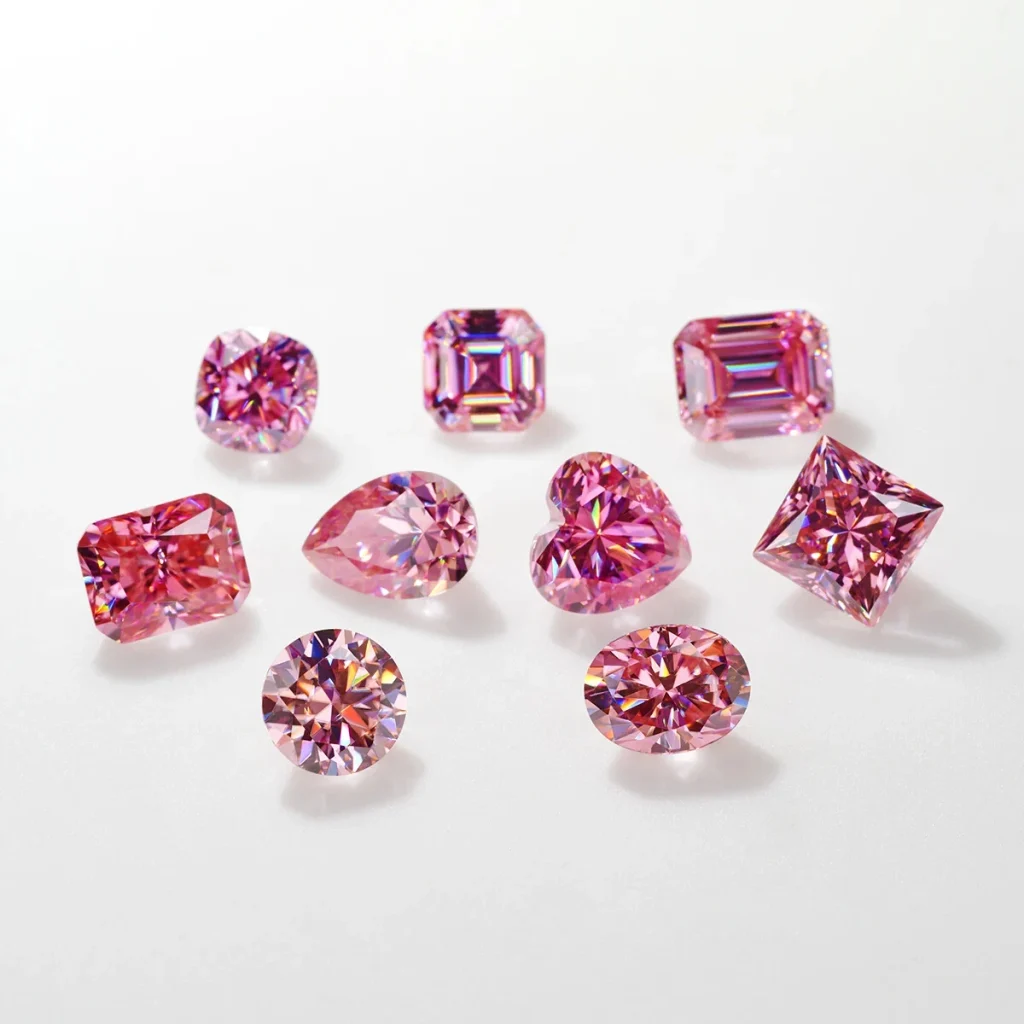
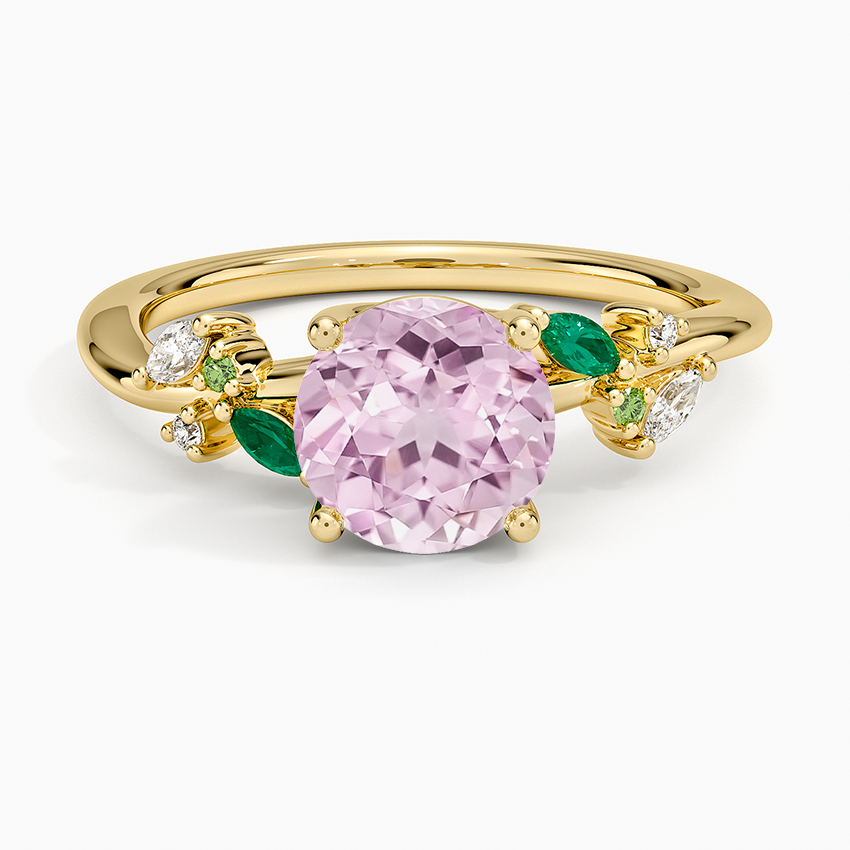
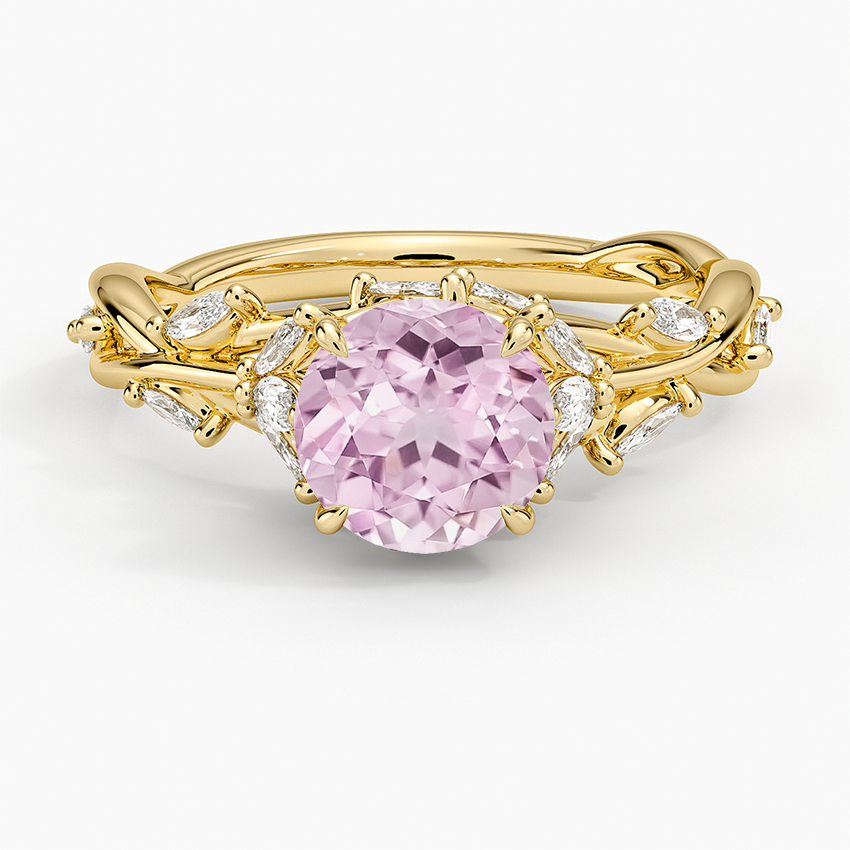
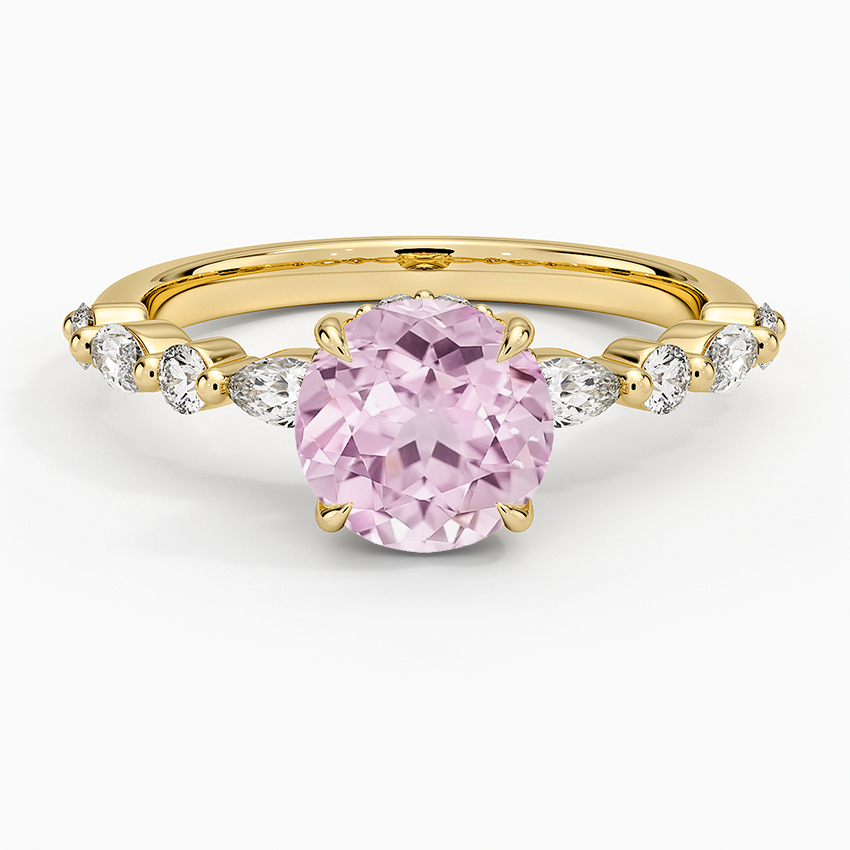
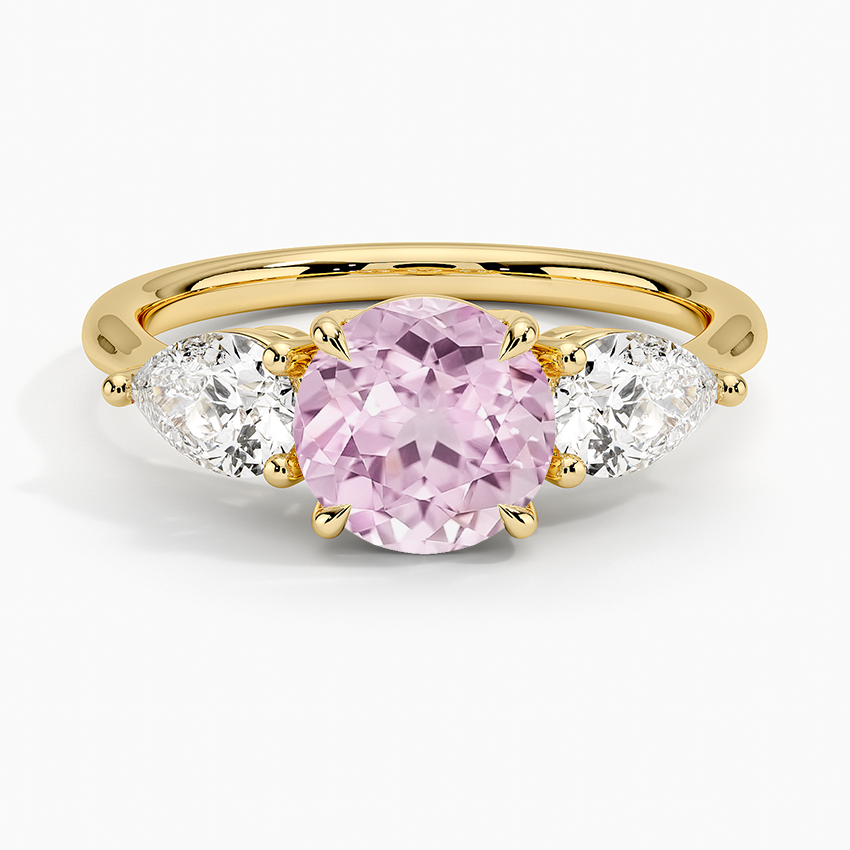
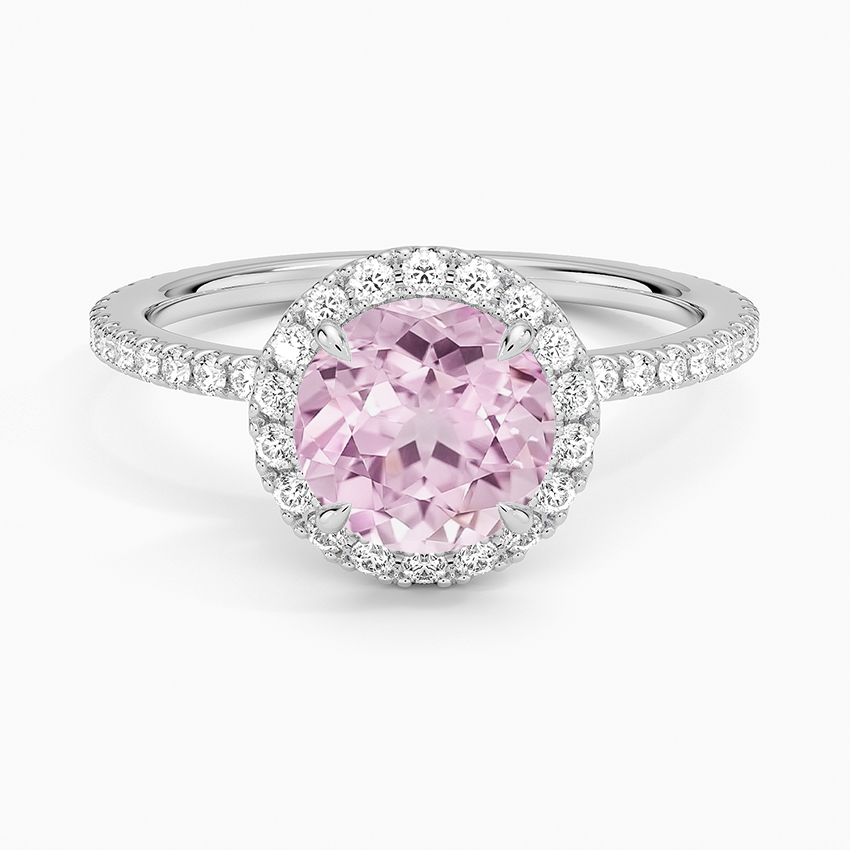
Pink diamonds are natural diamonds that display a pink body color ranging from subtle blush tones to strong, vivid pink.
Unlike blue diamonds, their color is not primarily caused by a trace element. GIA research has found that the pink color in most natural pink diamonds is associated with distortion in the diamond’s crystal structure.
This makes pink diamonds particularly interesting because their color is connected to the geological conditions that affected the crystal during its formation.
Pink diamonds can also display secondary hues, including:
- Purplish pink
- Orangy pink
- Brownish pink
- Pinkish purple
Pure, strongly saturated pinks are particularly desirable.
Why Are Pink Diamonds So Rare?
Natural pink diamonds are exceptionally scarce.
For many years, the Argyle mine in Western Australia was one of the most important sources of pink diamonds. The mine closed in 2020, removing a major source of newly mined natural pink diamonds from the market.
That supply constraint has added another layer of scarcity to an already rare category.
However, rarity alone does not determine the price of every pink diamond. A small, pale pink diamond will not necessarily command the same price as a large Fancy Vivid pink diamond.
How Pink Diamond Color Affects Value
Fancy color diamonds are evaluated differently from traditional D-to-Z colorless diamonds.
For fancy colors, the strength and quality of the visible color are major value factors.
Pink diamonds may receive grades such as:
- Fancy Light
- Fancy
- Fancy Intense
- Fancy Vivid
- Fancy Deep
The exact combination of hue, tone, and saturation matters.
A vivid pink with strong saturation can be dramatically more valuable than a lighter pink of similar carat weight.
For a broader explanation of how diamond color affects quality and value, see our diamond color guide.
What Are Blue Diamonds?
Blue diamonds are natural diamonds with a blue body color. Their color is generally associated with boron within the diamond's crystal structure.
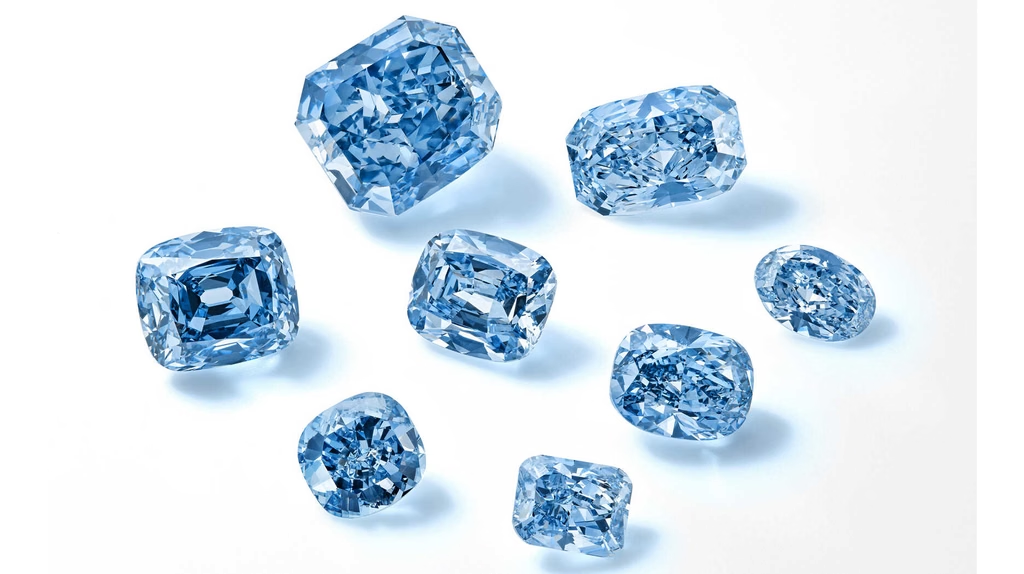
The amount and distribution of boron can influence the depth of blue.
Blue diamonds can range from relatively light blue to deep, highly saturated colors.
They may also contain subtle gray modifiers, which are common in natural blue diamonds.
Why Are Blue Diamonds So Rare?
Blue diamonds are among the rarest natural diamond colors.
Their scarcity becomes even more significant when the diamond combines:
- Strong blue color
- High saturation
- Larger carat weight
- Attractive clarity
- Excellent cutting
- Natural origin
- Strong provenance
Exceptional blue diamonds have appeared in major auctions and private collections, helping establish blue as one of the most prestigious fancy diamond colors.
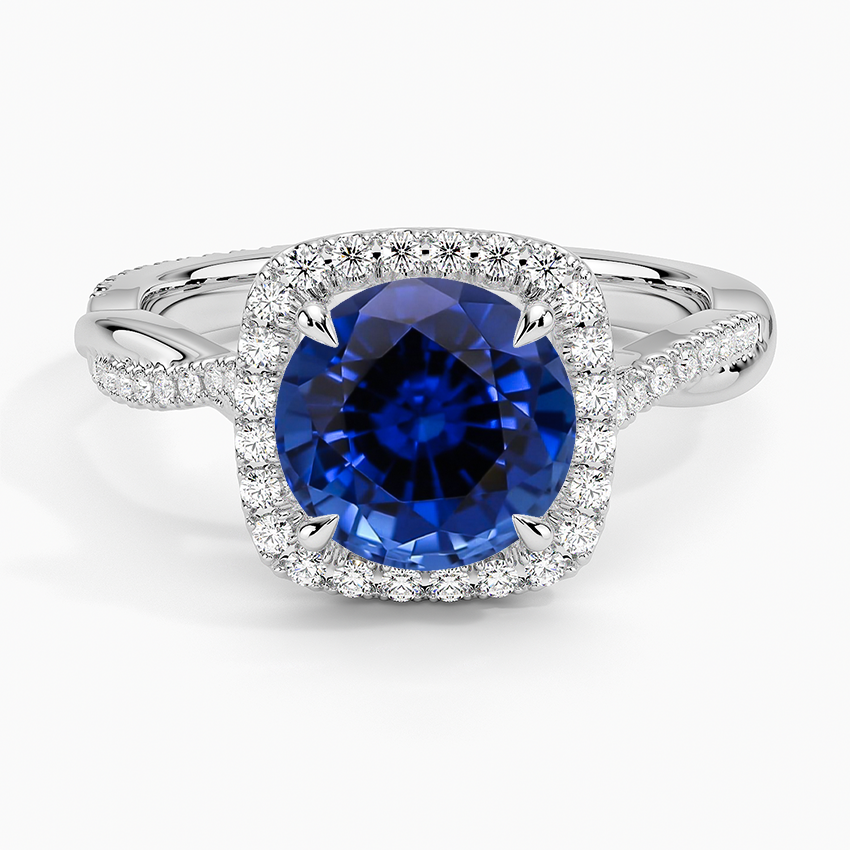
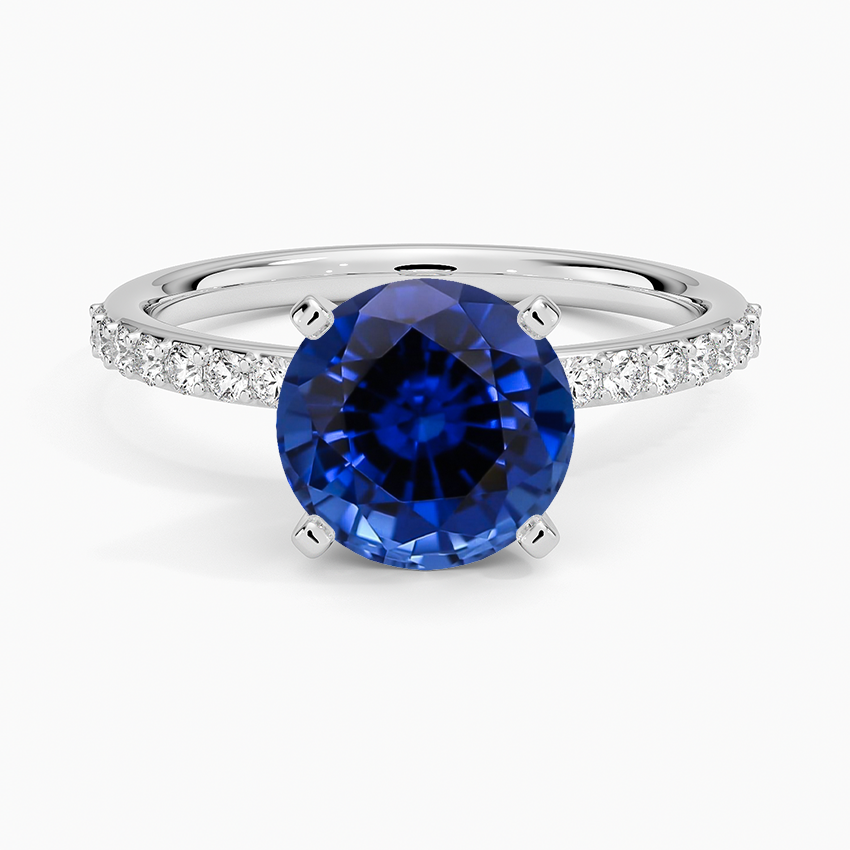
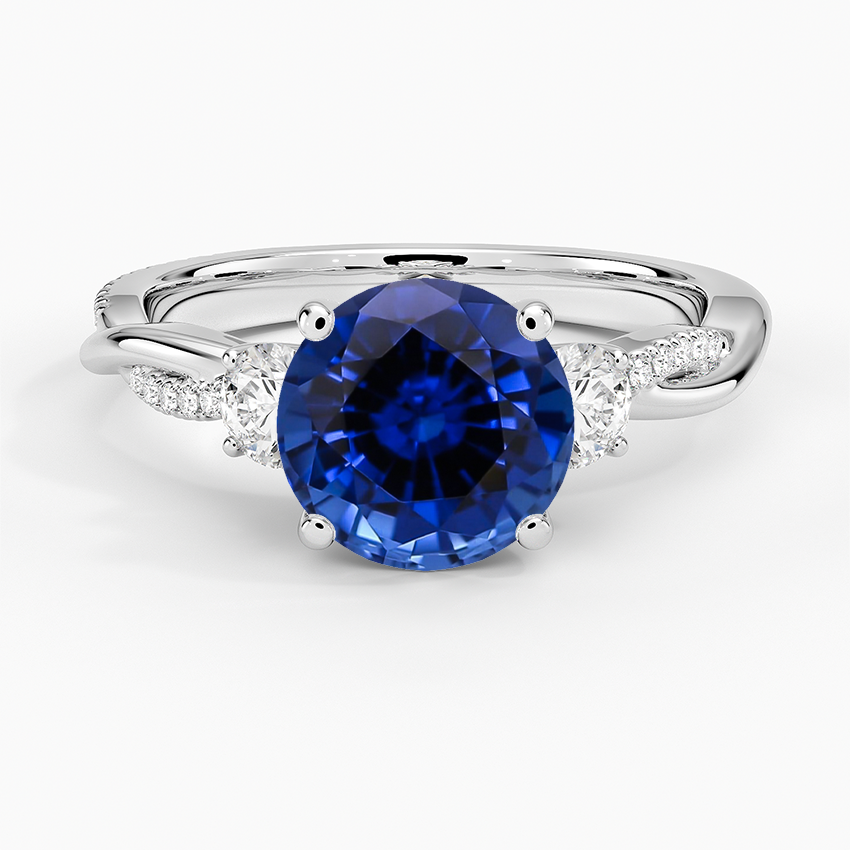
How Blue Diamond Color Affects Value
Like pink diamonds, blue diamonds are evaluated based heavily on their color characteristics.
A strong Fancy Vivid Blue can be dramatically more valuable than a pale blue diamond.
This is why two blue diamonds with the same carat weight can have completely different prices.
The color grade should therefore be examined alongside the diamond's:
- Hue
- Tone
- Saturation
- Carat weight
- Clarity
- Cut
- Origin
- Treatment status
- Certification
Pink vs Blue Diamonds: Which Is Rarer?
Both are extraordinarily rare.
There is no simple rule that says every natural pink diamond is rarer than every natural blue diamond, or vice versa.
Rarity depends on the specific characteristics of the stone.
For example, a large Fancy Vivid blue diamond can be extraordinarily scarce. At the same time, a pure, vivid pink diamond of comparable size can also represent an extremely unusual combination of natural color and size.
GIA identifies pinks and blues among the most valuable fancy-color diamond hues, with even subtle differences in color potentially having a major impact on value.
So rather than asking:
"Are pink diamonds rarer than blue diamonds?"
A better question is:
"How rare is this particular pink or blue diamond at this exact color grade, size, and quality?"
That distinction is important when comparing high-value stones.
Pink vs Blue Diamonds: Which Is More Valuable?
This is where the comparison becomes interesting.
Pink Diamonds
Exceptional pink diamonds can command enormous prices, particularly when they combine:
- Fancy Intense or Fancy Vivid color
- Strong saturation
- Attractive hue
- Larger carat weight
- High clarity
- Natural origin
- Desirable provenance
The famous Pink Star is a clear example of how an exceptional pink diamond can reach an extraordinary auction price.
Blue Diamonds
Blue diamonds can reach similarly remarkable prices.
Exceptional examples with strong saturation and significant size are among the world's most valuable gemstones.
The Oppenheimer Blue, Blue Moon of Josephine, and other famous blue diamonds demonstrate the extraordinary demand for top-quality natural blue stones.
Therefore, color alone cannot determine which one is more valuable.
A high-quality pink diamond may outperform a blue diamond in price, while an exceptional blue diamond may outperform a pink diamond.
What Actually Determines the Value of Pink and Blue Diamonds?
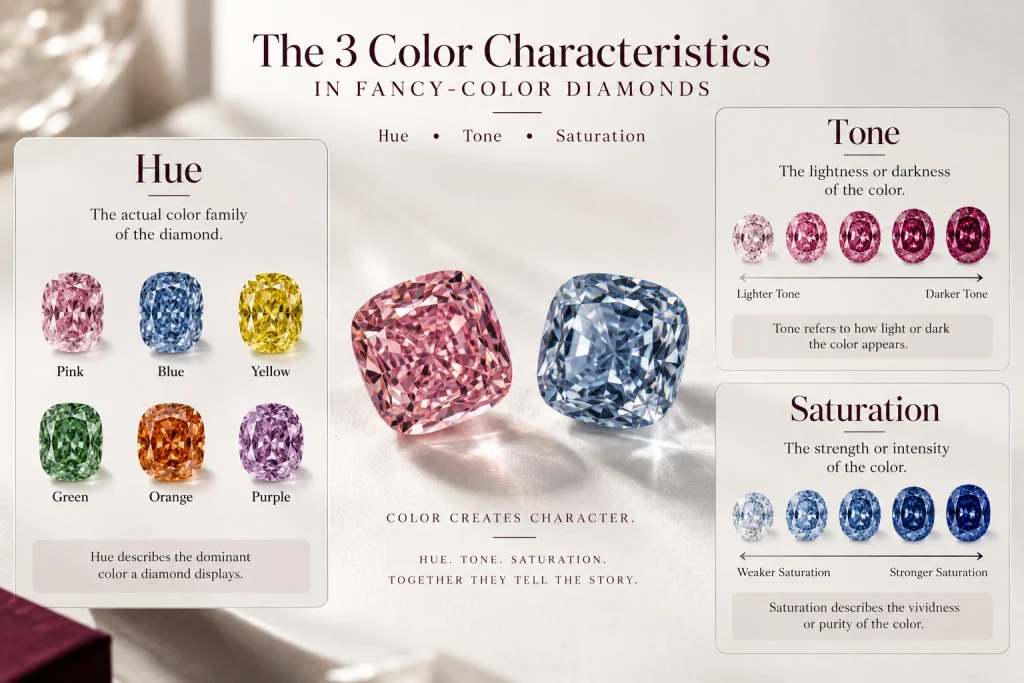
Color is the starting point, but it is not the whole story.
1. Hue
Hue describes the basic color of the diamond.
For pink diamonds, buyers may encounter:
- Pink
- Purplish pink
- Orangy pink
- Brownish pink
For blue diamonds, the stone may show blue with subtle modifiers.
A desirable primary hue can significantly influence value.
2. Tone
Tone describes how light or dark the color appears.
A diamond that is too light may not have the visual impact of a strongly colored stone.
However, darker is not automatically better.
The ideal tone depends on the color and how it interacts with saturation.
3. Saturation
Saturation describes the strength of the color.
This is one of the most important factors in fancy color diamonds.
Strong, attractive saturation generally increases desirability, especially when combined with a pleasing hue and tone.
4. Carat Weight
Large fancy color diamonds are particularly rare.
A 3-carat natural fancy-color diamond is not simply three times as valuable as a 1-carat stone.
As size increases, scarcity can increase dramatically.
That scarcity can create a significant price premium.
If you're still learning how carat weight affects diamond pricing, our diamond carat guide provides useful background.
5. Clarity
Clarity still matters, but fancy color diamonds are evaluated differently from traditional colorless diamonds.
A colored diamond with exceptional color may remain highly desirable even if it does not have flawless clarity.
For buyers, this creates an interesting trade-off.
You may sometimes get better value by prioritizing exceptional color over an extremely high clarity grade.
For a broader explanation of how inclusions affect diamonds, see the diamond clarity guide.
6. Cut
Cut affects how the diamond presents its color and interacts with light.
Fancy shapes such as radiant, cushion, oval, and pear can be used for colored diamonds because their faceting can help showcase the body color.
However, cut quality still matters.
A beautiful color does not automatically make a poorly cut diamond a great purchase.
Understanding the difference between shape and cut is important, especially when comparing fancy-color stones. our diamond cuts guide can help clarify the terminology.
7. Natural vs Treated Color
This is one of the most important questions to ask before buying a colored diamond.
Natural-color diamonds are generally much rarer than diamonds whose color has been artificially enhanced.
A buyer should know:
- Is the color natural?
- Has the diamond been treated?
- What type of treatment was used?
- Is the treatment disclosed?
- Does the grading report identify the color as natural?
A reputable independent grading report is especially important for valuable fancy-color diamonds.
Pink vs Blue Diamonds: Natural or Lab-Grown?
This distinction can completely change the pricing conversation.
Natural pink and blue diamonds are extremely rare because they formed naturally inside the Earth over geological timescales.
Lab-grown diamonds can also be produced in pink and blue colors, including through treatments or controlled growth processes.
However, lab-grown colored diamonds should not be treated as equivalent to rare natural fancy-color diamonds from a scarcity or collector perspective.
If you're comparing natural and laboratory-created diamonds more broadly, read our guide to lab-grown vs. natural diamonds.
The important point is to compare like with like.
A natural Fancy Vivid Pink should not be directly compared with a lab-grown pink diamond simply because both are pink.
Their rarity, origin, market positioning, and pricing can be completely different.
Pink vs Blue Diamonds: Which Has Better Investment Potential?
Rare diamonds are sometimes purchased as alternative assets, but buyers should be careful with the word "investment."
There is no guaranteed return.
The market for exceptional natural fancy-color diamonds is highly specialized, and prices can vary based on:
- Economic conditions
- Collector demand
- Auction performance
- Provenance
- Color preferences
- Rarity
- Certification
- Stone quality
- Market liquidity
Pink and blue diamonds can both attract strong collector interest.
For the highest-value stones, provenance can also become extremely important.
A famous diamond with an established history can be worth substantially more than an otherwise similar stone without notable provenance.
Therefore, buying a pink or blue diamond solely because you expect its price to rise is risky.
Buyers should first understand the stone itself and the market in which it trades.
Famous Pink Diamonds
Several pink diamonds have achieved extraordinary attention.
The Pink Star
The Pink Star is one of the most famous pink diamonds in history.
The 59.60-carat Fancy Vivid pink diamond achieved $71.2 million at auction in 2017, demonstrating the extraordinary prices that exceptional pink diamonds can command.
The Williamson Pink Star
The Williamson Pink Star is another exceptional pink diamond that attracted major attention.
Its combination of size, vivid pink color, clarity, and provenance illustrates why exceptional pink diamonds occupy such a special position in the luxury gemstone market.
These examples are important, but buyers should not use headline auction prices as a direct benchmark for ordinary pink diamonds.
Auction records represent extraordinary stones, not typical retail pricing.
Famous Blue Diamonds
Blue diamonds have their own legendary examples.
The Oppenheimer Blue
The Oppenheimer Blue is one of the most famous blue diamonds ever sold at auction.
Its exceptional color, size, provenance, and history contributed to its extraordinary value.
The Blue Moon of Josephine
The Blue Moon of Josephine is another renowned blue diamond.
Its vivid blue color and notable size helped make it one of the most famous modern blue diamonds.
The Hope Diamond
The Hope Diamond is perhaps the world's most recognizable blue diamond.
Its enormous historical importance, distinctive color, and famous provenance make it fundamentally different from an ordinary blue diamond available for purchase.
This is an important lesson for buyers:
Gemstone value is not determined by color alone.
History, provenance, rarity, size, condition, and cultural significance can all matter.
Pink vs Blue Diamonds for an Engagement Ring
If you're choosing between pink and blue for an engagement ring, price should not be the only consideration.
Choose a Pink Diamond If You Want:
- A romantic appearance
- A warmer color palette
- A distinctive engagement ring
- A soft or feminine aesthetic
- A strong connection with love and romance
- A rare natural gemstone with collector appeal
Pink diamonds can look especially beautiful when paired with rose gold or warm-toned settings, although white metals can also create a striking contrast.
Choose a Blue Diamond If You Want:
- A dramatic appearance
- A cooler color palette
- A sophisticated look
- Strong visual contrast
- A distinctive alternative to a traditional white diamond
- A gemstone with an unusual natural color
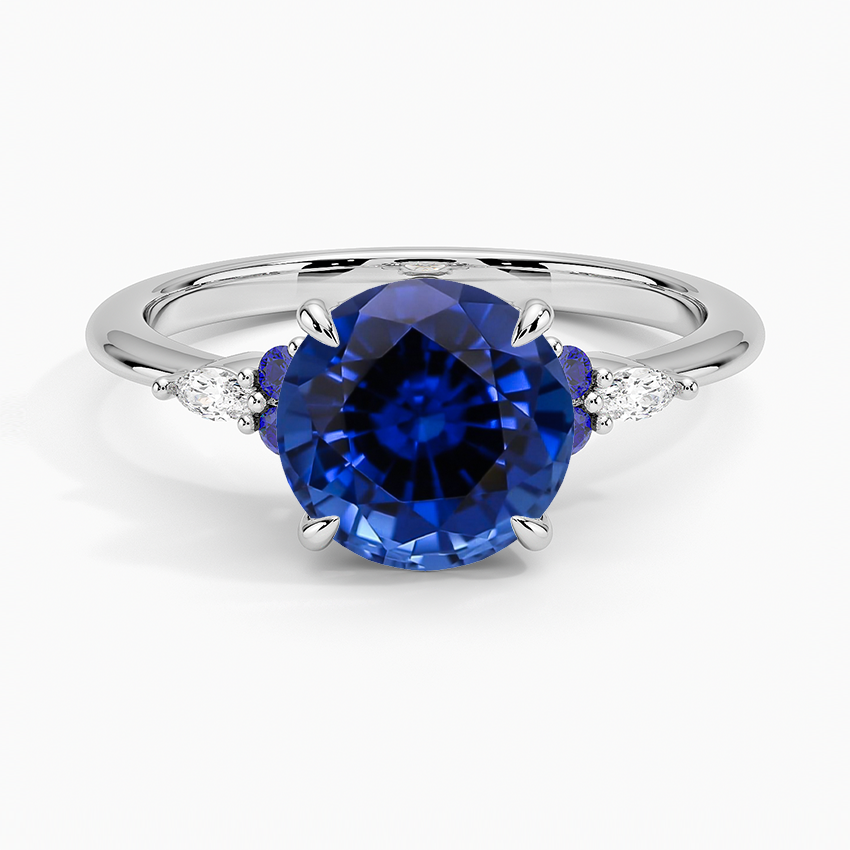
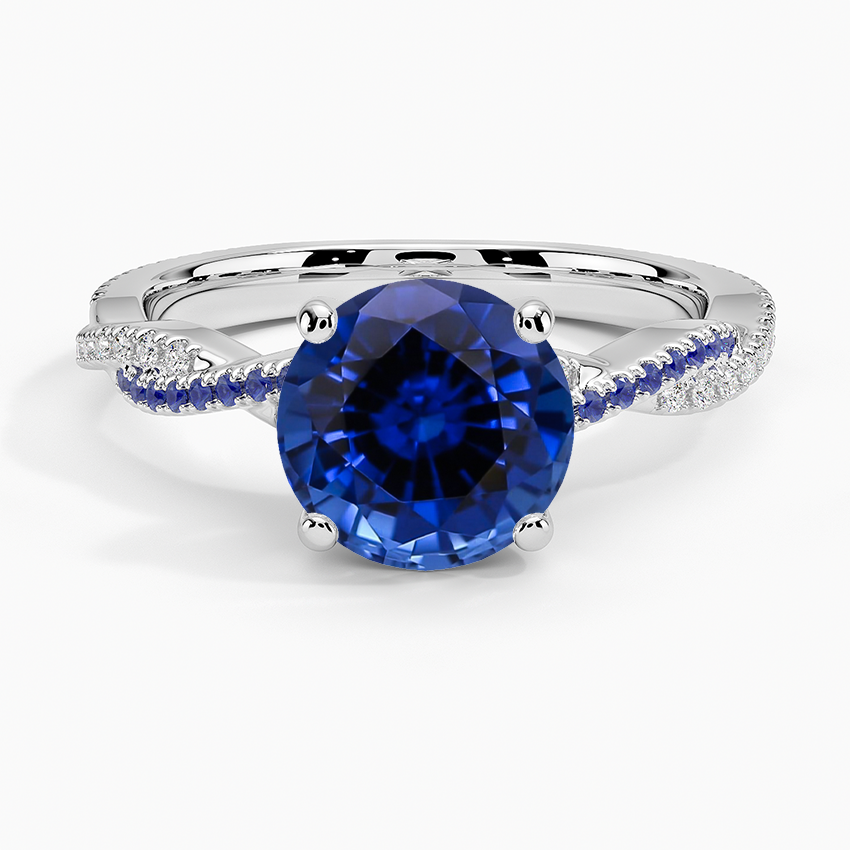
Blue diamonds can work beautifully with white gold, platinum, and other cool-toned settings.
Ultimately, the best color is the one that fits the wearer's style.
If you're unsure what engagement-ring style suits you, Our AI Ring Style Matcher can be a useful starting point.
Pink vs Blue Diamonds: Which Is Better for You?
There is no universal winner.
Instead, think about what matters most to you.
| If You Prioritize... | Consider |
|---|---|
| Romantic color | Pink |
| Cool, dramatic color | Blue |
| Collector appeal | Either, depending on quality |
| Strong color intensity | Fancy Intense or Fancy Vivid |
| Larger stone | Compare rarity at the same color grade |
| Long-term collectibility | Exceptional natural stones |
| Engagement-ring individuality | Both |
| Maximum rarity | Compare the specific stone, not just the color |
The biggest mistake is choosing based on color alone.
A mediocre pink diamond is not automatically a better purchase than an exceptional blue diamond.
Likewise, a blue diamond is not automatically more valuable simply because blue diamonds are exceptionally rare.
How to Buy a Natural Pink or Blue Diamond
If you're considering spending a significant amount on a fancy-color diamond, take your time.
1. Confirm That the Color Is Natural
This should be one of your first questions.
Natural-color diamonds are fundamentally different from treated-color diamonds in terms of rarity and market value.
2. Ask for an Independent Grading Report
For a high-value colored diamond, independent laboratory documentation is essential.
The report should clearly identify the diamond and its color characteristics.
3. Focus on Color Quality
Don't judge the diamond only by the word "pink" or "blue."
Look at:
- Hue
- Tone
- Saturation
- Color distribution
- Secondary hues
- Face-up appearance
4. Compare Similar Stones
Try to compare diamonds with similar:
- Color grade
- Carat weight
- Clarity
- Shape
- Treatment status
- Certification
This gives you a much better basis for evaluating price.
5. Consider the Whole Ring
If the diamond will become an engagement ring, think beyond the center stone.
The setting, metal, proportions, side stones, and overall design can dramatically change how the color looks.
For example, a strong pink diamond can appear very different in rose gold compared with platinum.
Are Pink Diamonds More Expensive Than Blue Diamonds?
Sometimes, but not always.
Exceptional pink diamonds have achieved some of the highest auction prices ever recorded for gemstones. Blue diamonds have also achieved extraordinary prices.
The difference comes down to the individual stone.
A diamond's price can change dramatically based on color intensity, carat weight, clarity, provenance, and other characteristics.
So if someone asks:
"Which is more valuable, pink or blue diamonds?"
The most accurate answer is:
Exceptional pink and blue diamonds can both be extremely valuable. Neither color is automatically more expensive. The specific stone determines the value.
Frequently Asked Questions
Are pink diamonds rarer than blue diamonds?
Both natural pink and blue diamonds are exceptionally rare. The rarity of an individual stone depends on its color grade, size, saturation, and other characteristics, so there is no universal rule that one color is always rarer.
Are pink diamonds more valuable than blue diamonds?
Not necessarily. Exceptional pink diamonds can command enormous prices, but exceptional blue diamonds can do the same. The specific diamond's color quality, size, clarity, provenance, and natural origin determine its market value.
Why are pink diamonds pink?
The pink color in most natural pink diamonds is associated with distortion in the diamond's crystal structure rather than a simple trace-element cause.
Why are blue diamonds blue?
Natural blue diamonds generally get their blue color from boron present within the diamond's crystal structure.
Which is better for an engagement ring, pink or blue?
It depends on personal style. Pink diamonds create a romantic and warm appearance, while blue diamonds offer a dramatic and sophisticated look. Both can create highly distinctive engagement rings.
Are natural pink diamonds more valuable than lab-grown pink diamonds?
Natural pink diamonds are vastly rarer than lab-grown pink diamonds. However, the exact price difference depends on the stone's characteristics, certification, treatment status, and market.
Are blue diamonds a good investment?
Exceptional natural blue diamonds can have strong collector demand, but no diamond should be treated as a guaranteed investment. Prices can fluctuate, and the market for rare colored diamonds is highly specialized.
What makes a pink or blue diamond valuable?
The most important factors include natural color, hue, tone, saturation, carat weight, clarity, cut, certification, treatment status, rarity, and provenance.
Final Words
Pink and blue diamonds sit among the most prestigious categories of natural fancy-color diamonds.
Pink diamonds are prized for their romantic color, extraordinary rarity, and strong collector demand. Blue diamonds are equally fascinating, with their distinctive color linked to boron and their own history of exceptional auction results.
If you're comparing the two purely on value, there is no simple winner.
A top-quality pink diamond can be more valuable than a blue diamond, while an exceptional blue diamond can be worth more than a pink diamond.
The most important factors are the stone's color quality, saturation, tone, hue, carat weight, clarity, natural origin, certification, and provenance.
For an engagement ring, however, the decision does not have to be purely financial.
Choose pink if you want warmth, romance, and a softer statement.
Choose blue if you prefer drama, sophistication, and a cooler color palette.
And if you're evaluating either as a serious purchase, compare the complete grading information rather than judging the stone by color alone.
Related Diamiv Guides
If you're researching rare or unusual diamonds before choosing a ring, these Diamiv resources can help you compare your options:
- Which diamond shape holds its value?
- The complete 4Cs of diamond quality guide
- Explore different types of diamond cuts
- Learn how diamond color affects a diamond
- Compare lab-grown and natural diamonds
Understanding the differences before buying can help you choose a diamond based on what actually matters to you, rather than simply following the highest price tag.